How Many Types of Vacuum Cleaner Attachments Are There? What Each Nozzle Does and How to Choose the Right One
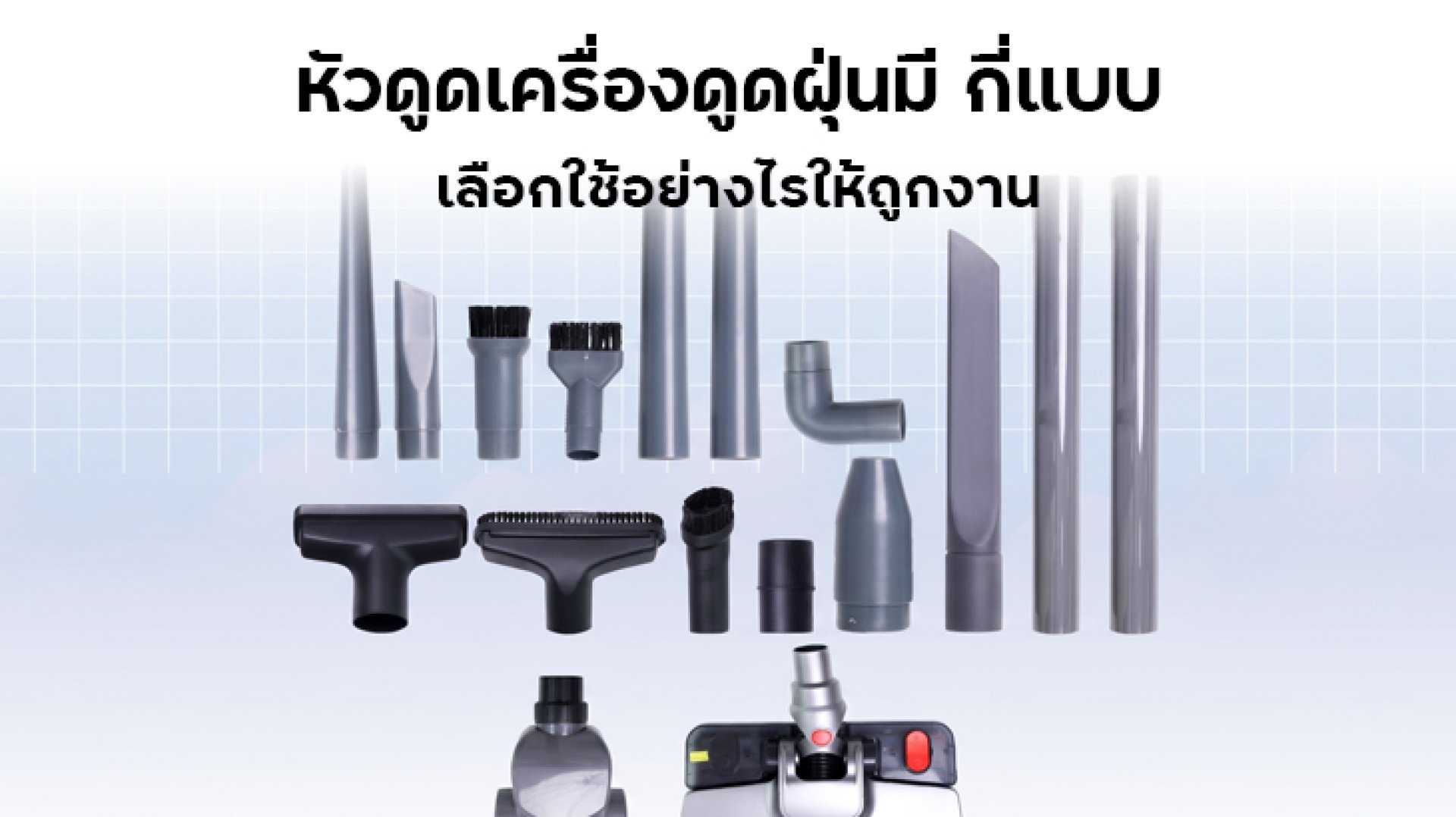
Have you ever bought a vacuum cleaner that came with several attachments, only to end up using just one? Each attachment is actually designed for a different cleaning task and surface. Choosing the right vacuum cleaner attachments can make cleaning easier, help reach narrow spaces, and reduce the risk of scratching furniture or damaging delicate surfaces.
From standard floor heads and crevice tools to soft dusting brushes, upholstery tools, and mite-removal attachments, each type serves a specific purpose. Some are designed for hard floors, others work better on carpets and fabrics, while some are made to remove dust from tight corners and narrow gaps. This guide explains the different types of vacuum cleaner attachments, where to use them, and how to choose the right accessory for your home and cleaning needs.
1. How Many Types of Vacuum Cleaner Attachments Are There?
There are several types of vacuum cleaner attachments, depending on the vacuum cleaner model and the accessories included by the manufacturer. However, most can be divided into five main categories based on their primary functions.
1.1 Standard Floor Head
The standard floor head is a basic attachment included with most vacuum cleaners. It is designed to clean relatively large floor areas by collecting dust, dirt, and small debris. Some models can switch between hard-floor and carpet cleaning modes.
This attachment is suitable for:
- Ceramic and tiled floors
- Wood and laminate flooring
- Marble and other smooth surfaces
- Carpets, if supported by the attachment
The main advantage of a standard floor head is its ability to cover large areas quickly without requiring frequent attachment changes. However, check whether the base has brushes or rubber strips. Some floor heads are designed specifically for hard surfaces, while others include rotating brush rollers to help collect dust and hair from carpets.
For delicate wooden floors that are easily scratched, choose a floor head with soft bristles or a gentle contact surface to reduce friction during cleaning.
1.2 Crevice Tool
A crevice tool is a long, narrow attachment with a tapered tip. It is designed to reach areas that standard floor heads cannot access. Its narrow opening concentrates suction into a smaller area, making it easier to remove dust from corners and tight gaps.
Common applications include:
- Gaps between sofas and walls
- Spaces between seat cushions and backrests
- Window edges and sliding door tracks
- Room corners and floor skirting boards
- Gaps between furniture pieces
- Areas underneath car seats
A crevice tool is particularly useful for detailed cleaning, especially in areas where dust tends to accumulate unnoticed. A large floor head may not be able to reach these narrow spaces effectively.
For best results, move the nozzle slowly along the gap. Avoid pressing it too firmly against the surface, as this can block the opening and reduce airflow.
1.3 Soft Dusting Brush
A soft dusting brush is one of the most useful vacuum cleaner attachments for cleaning delicate surfaces. Its soft bristles help loosen dust before the vacuum draws it into the machine.
It is suitable for cleaning:
- Shelves and bookcases
- Picture frames and home decorations
- Keyboards and office equipment that support vacuum cleaning
- Lamps and surfaces with small details
- Delicate furniture finishes
The main advantage of a soft dusting brush is that it reduces direct contact between the vacuum nozzle and the surface. This makes it a better option for areas where hard attachments may cause scratches.
However, clean the bristles regularly. Sand particles or larger debris trapped in the brush can scratch surfaces instead of protecting them.
1.4 Upholstery Tool
An upholstery tool is designed for cleaning fabric surfaces and upholstered furniture. It usually has a wider opening than a crevice tool but is smaller than a standard floor head, making it easier to move across cushions and fabric surfaces.
Typical applications include:
- Sofa cushions and backrests
- Fabric chairs and office chairs
- Mattresses and pillows that are suitable for vacuum cleaning
- Car seats
- Fabric-covered furniture
The main difference between an upholstery tool and a standard floor head is their design. Upholstery tools are generally more compact and easier to maneuver across fabric surfaces. Some models also include velvet strips or rubber elements to help collect hair and pet fur.
Using a standard floor head on a sofa can be inconvenient because it may be too large to reach cushion edges and corners. A dedicated upholstery tool provides better access and more precise cleaning.
1.5 Mattress and Mite Removal Tool
A mattress or mite-removal attachment is designed specifically for cleaning fabric surfaces and bedding. It is commonly included with mattress vacuum cleaners or vacuum cleaners equipped with dedicated mite-cleaning functions.
Some models use a vibration mechanism to loosen dust and debris trapped on fabric surfaces before suction removes them. Other models may include additional features such as UV light or other cleaning technologies.
Common applications include:
- Mattresses and pillows
- Blankets and bedding suitable for vacuum cleaning
- Fabric sofas
- Upholstered seats with accumulated dust
It is important to understand that a mite-removal attachment does not work exactly like a standard upholstery tool. Some models include vibration systems or additional cleaning mechanisms. However, using one does not guarantee the complete removal of dust mites or allergens. The vacuum cleaner's overall performance and filtration system also matter.
2. What Is the Difference Between an Upholstery Tool and a Mite Removal Tool?
These two attachments may look similar because both can be used on sofas, mattresses, and fabric surfaces. However, they are designed for different cleaning purposes.
| Upholstery Tool | Mite Removal Tool |
|---|---|
| Designed for general dust removal from fabric surfaces | Designed for cleaning accumulated dust on bedding and fabrics |
| Usually relies on suction, nozzle openings, and cleaning strips | Some models use vibration to loosen dust |
| Suitable for sofas, chairs, and car seats | Suitable for mattresses, pillows, and bedding |
| Focuses on convenient upholstery cleaning | Some models include additional technologies such as UV light or vibration |
If you regularly clean sofas and fabric chairs, a standard upholstery tool is usually sufficient for everyday cleaning. However, if you want to maintain mattresses and bedding where dust accumulates, a vacuum cleaner with a dedicated mite-removal attachment may be a better choice.
3. What Happens If You Use the Wrong Vacuum Cleaner Attachment?
Although some attachments can be used interchangeably, choosing the wrong tool for a particular surface can reduce cleaning efficiency and increase the risk of damage.
Using a Standard Floor Head in Narrow Gaps
Standard floor heads are relatively large, making it difficult to reach small gaps. Dust accumulated in sofa corners, wall edges, and window tracks may remain even after repeated cleaning.
Using a Hard Nozzle on Delicate Furniture
Attachments with hard edges or no protective brushes may scratch furniture surfaces, particularly glossy finishes, wood, and other materials that are easily marked. A soft dusting brush is generally a safer option.
Using a Floor Head on Sofas or Mattresses
A standard floor head may be too large for fabric surfaces and may include a rotating brush that is unsuitable for certain materials. This can make it difficult to clean cushion gaps or potentially snag delicate fabric fibers. A dedicated upholstery tool or mattress attachment is a better choice.
Using a Crevice Tool on Large Surfaces
A crevice tool has a relatively small cleaning opening. Using it on large floor areas or sofas takes considerably more time and may not provide the same coverage as an attachment designed for wider surfaces.
4. How to Choose Vacuum Cleaner Attachments for Different Surfaces and Cleaning Tasks
You do not need to use every attachment for every cleaning session. Instead, choose the right vacuum cleaner attachments based on the type of dirt, surface material, and area you want to clean. Here is a simple reference guide.
| Cleaning Area | Recommended Attachment | Reason |
|---|---|---|
| Tiled floors | Standard floor head | Covers large areas and collects dust efficiently |
| Wooden floors | Hard-floor head or soft brush | Helps reduce surface friction |
| Carpets | Carpet head or motorized brush | Helps remove dust and hair trapped in carpet fibers |
| Sofa gaps | Crevice tool | Reaches narrow gaps and corners |
| Shelves | Soft dusting brush | Loosens dust while reducing direct surface contact |
| Car seats | Upholstery tool | Designed for fabric surfaces and smaller areas |
| Mattresses and pillows | Mite removal tool | Some models use vibration to loosen accumulated dust |
| Window tracks | Crevice tool | Reaches narrow channels and collects dust along edges |
Check Connector Compatibility Before Buying Additional Attachments
Another important consideration is the connection size between the attachment and the vacuum cleaner's extension tube. Different brands and models may use different connector sizes and locking mechanisms. Even if two attachments look similar, they may not be compatible.
Before purchasing additional accessories, check the connector diameter, locking mechanism, and manufacturer compatibility. For powered attachments or motorized brush heads, also verify the electrical connectors and supported power requirements.
5. How to Maintain Vacuum Cleaner Attachments for Longer Use
With regular use, vacuum cleaner attachments can accumulate hair, dust, and debris inside their openings and brush mechanisms. Proper maintenance helps maintain cleaning performance and reduces the risk of blockages.
- Inspect the suction opening: Check regularly for trapped hair and debris, especially around motorized brush heads.
- Clean the bristles: Remove hair and dust using your hands or an appropriate cleaning tool.
- Wipe the exterior: Use a dry or slightly damp cloth according to the manufacturer's instructions.
- Allow components to dry completely: If an attachment has washable parts, let them dry fully before reinstalling.
- Store accessories properly: Keep each attachment in a dry place where it will not be crushed or deformed.
Keep in mind that some attachments contain motors or electrical components and cannot be washed with water. Always check the user manual before cleaning to avoid damaging the accessories.
6. Conclusion: Choosing the Right Vacuum Cleaner Attachment Makes Cleaning Easier
Different vacuum cleaner attachments are designed for different cleaning tasks. Choosing the right one helps collect dust more effectively while reducing the risk of surface damage and inefficient cleaning.
For general floor cleaning, use a standard floor head. For narrow gaps and corners, choose a crevice tool. A soft dusting brush is ideal for furniture and delicate decorative items. Upholstery tools are better suited to fabric sofas and seats, while mite-removal attachments are designed for mattresses and bedding, with some models using vibration to loosen accumulated dust.
Finally, always check whether an accessory is compatible with your vacuum cleaner. Even a high-quality attachment may not perform properly if it does not fit the machine. By choosing the right vacuum cleaner attachments, everyday cleaning can become easier, more efficient, and less time-consuming.
Frequently Asked Questions About Vacuum Cleaner Attachments (FAQ)
1. How many types of vacuum cleaner attachments are there?
There are several common types, including standard floor heads, crevice tools, soft dusting brushes, upholstery tools, and mite-removal attachments. The exact number and design vary depending on the vacuum cleaner model and manufacturer.
2. What is a crevice tool used for?
A crevice tool is used to clean narrow and hard-to-reach areas, such as sofa gaps, window tracks, wall edges, room corners, and spaces underneath car seats. Its tapered design allows it to reach places that standard floor heads cannot access.
3. Can an upholstery tool and a standard floor head be used interchangeably?
They are not recommended as direct replacements for every cleaning task. Standard floor heads are larger and may include rotating brushes that are unsuitable for certain fabrics. Upholstery tools are designed specifically for fabric surfaces and furniture.
4. How is a mite-removal attachment different from a standard vacuum nozzle?
Some mite-removal attachments include vibration mechanisms or additional technologies to help loosen dust on bedding and fabric surfaces. Standard vacuum nozzles mainly rely on suction to collect dust and debris.
5. Can I use vacuum cleaner attachments from different brands?
It depends on the connector size and connection system. Some attachments may be compatible if they have matching dimensions or use a suitable adapter. However, always check compatibility before purchasing.
6. Do I need to use every attachment included with my vacuum cleaner?
No. Choose only the attachments that suit your cleaning needs. For example, use a floor head for general cleaning, a crevice tool for narrow spaces, and an upholstery tool for fabric furniture. Using the correct attachment is more important than using every accessory in every cleaning session.