Which Bluetooth Headphones Should You Choose? In-Ear, Earbuds, or Open-Ear?
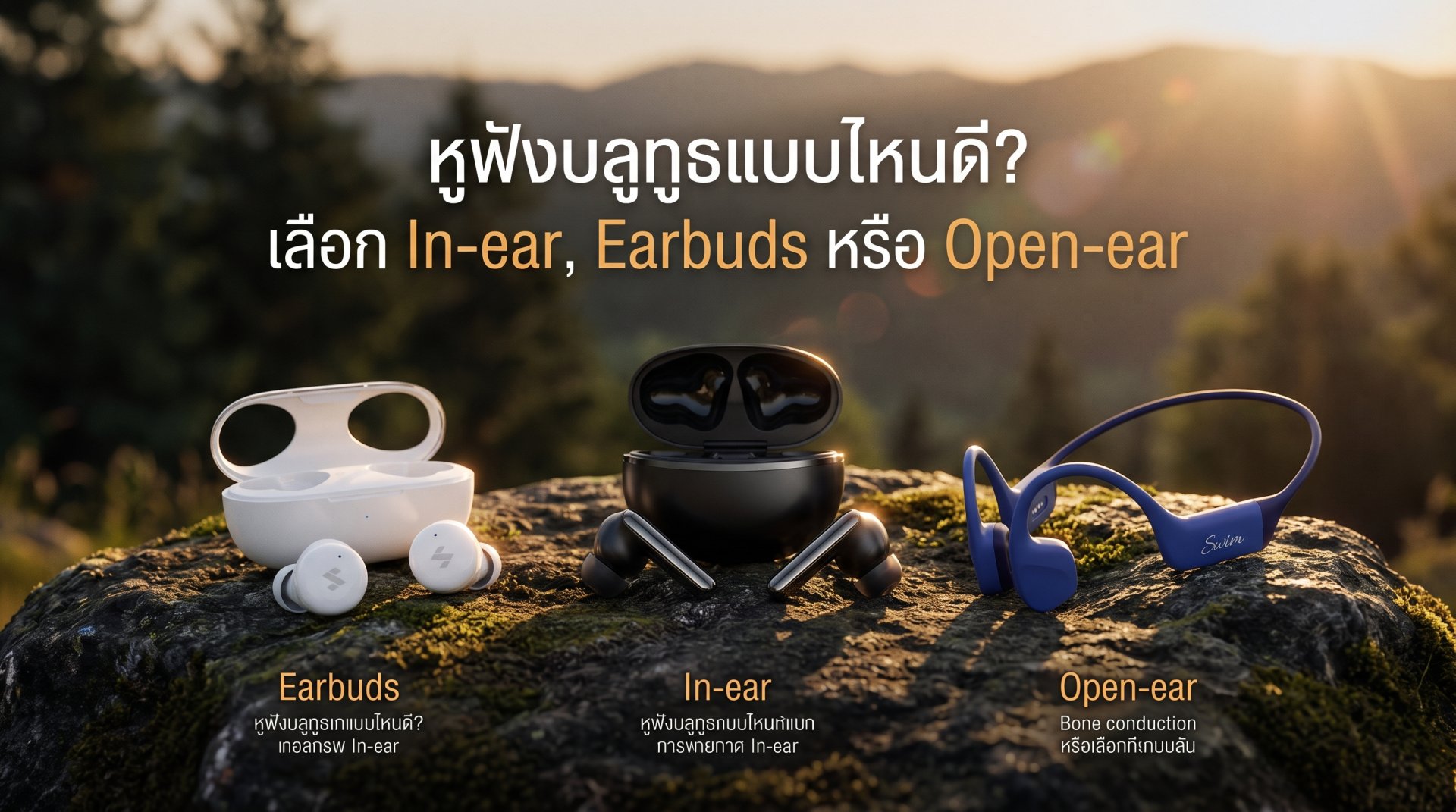
Choosing the right Bluetooth headphones is not just about sound quality or brand. The wearing style also affects comfort, noise isolation, and how suitable the headphones are for different activities. Some people prefer a secure fit that blocks outside noise, while others want to stay aware of their surroundings throughout the day.
Today, Bluetooth headphones are available in several designs, with In-ear, Earbuds, and Open-ear being three popular options. Although they may look similar at first glance, each design offers a different listening experience and is intended for different needs.
If you are wondering which Bluetooth headphones are right for you, this guide compares the three main designs, explains their advantages and limitations, and helps you choose a pair that matches your daily routine.
Why Does the Design of Bluetooth Headphones Matter?
The design of Bluetooth headphones affects more than just appearance. It determines how the headphones sit on your ears, how much outside noise you can hear, and how comfortable they feel during extended use.
For example, headphones that seal the ear canal can provide better passive noise isolation. On the other hand, open designs allow you to hear more of your surroundings, which can be useful when walking outdoors or working in an environment where you need to remain aware of nearby sounds.
Before choosing Bluetooth headphones, consider these factors:
- Wearing comfort: Whether the headphones remain comfortable during long listening sessions.
- Sound isolation: How effectively they reduce outside noise.
- Sound quality: Whether they deliver the bass, clarity, and detail you prefer.
- Stability: Whether they stay in place when walking, running, or exercising.
- Environmental awareness: Whether you need to hear traffic, conversations, or announcements around you.
3 Types of Bluetooth Headphones: In-Ear, Earbuds, and Open-Ear
1. In-Ear Headphones: A Secure Fit with Better Noise Isolation
In-ear Bluetooth headphones are designed to fit inside the ear canal, usually with soft silicone or foam ear tips. These tips create a seal that helps reduce outside noise and keeps sound from leaking out.
One of the main advantages of In-ear headphones is their ability to deliver a more immersive listening experience. Because the ear tips create a seal, bass can sound fuller, and music is generally easier to hear in noisy environments.
Some models also include Active Noise Cancellation (ANC), which uses microphones and electronic processing to reduce certain types of surrounding noise.
Advantages:
- Good passive noise isolation.
- Often provide strong bass and an immersive listening experience.
- Suitable for commuting, traveling, and listening in noisy environments.
- Many models support Active Noise Cancellation.
Limitations:
- Some users may feel pressure or discomfort inside the ear canal.
- The fit depends on choosing the correct ear-tip size.
- They may not be ideal for people who prefer to hear their surroundings.
Best for: People who listen to music during commuting, work in noisy environments, or want better noise isolation.
2. Earbuds: An Open-Fit Design for Everyday Listening
In this comparison, Earbuds refer to the traditional open-fit design that rests at the entrance of the ear without inserting silicone tips into the ear canal. This design provides a more open feeling and may be more comfortable for people who dislike the sensation of In-ear headphones.
Because Earbuds do not create a tight seal inside the ear canal, some surrounding sounds can still be heard. This can make them convenient for casual listening, office work, and everyday activities.
However, the open-fit design also means that bass response and noise isolation may be less effective than with In-ear headphones. Sound leakage can also occur, particularly at higher volume levels.
Advantages:
- No silicone ear tips inserted into the ear canal.
- Open and lightweight wearing experience.
- Convenient for casual listening and everyday use.
- Some users find them more comfortable for extended wear.
Limitations:
- Less noise isolation than most In-ear designs.
- Bass performance may be less pronounced.
- Fit and stability depend on the shape of your ears.
- Sound may leak out at higher listening volumes.
Best for: People who prefer a lightweight, open-fit design for listening to music, watching videos, or handling everyday tasks.
3. Open-Ear Headphones: Stay Aware of Your Surroundings
Open-ear Bluetooth headphones are designed to let users listen to audio without covering or sealing the ear canal. Depending on the model, they may use ear hooks, clips, or other structures to sit around the outer ear.
Some Open-ear headphones use air-conduction technology, directing sound toward the ear without inserting an ear tip. Others use bone-conduction technology, which transmits vibrations through the bones around the ear to stimulate hearing.
The biggest advantage of Open-ear headphones is environmental awareness. You can listen to audio while still hearing nearby conversations, traffic, or other sounds around you.
Advantages:
- Allows users to hear more of their surroundings.
- Does not require sealing the ear canal.
- Useful for outdoor activities and exercise.
- Some models offer a secure ear-hook design for movement.
Limitations:
- Sound isolation is limited by design.
- Audio quality and bass response vary depending on the technology and model.
- Sound leakage may be noticeable in quiet environments.
- Not ideal for situations where strong noise isolation is required.
Best for: People who exercise outdoors, walk or cycle in suitable environments, or need to remain aware of nearby sounds while listening.
Comparison Table: In-Ear vs. Earbuds vs. Open-Ear Bluetooth Headphones
Each type of Bluetooth headphones has different strengths. Use this comparison to identify which design is most suitable for your needs.
| Feature | In-Ear | Earbuds | Open-Ear |
|---|---|---|---|
| Wearing style | Fits inside the ear canal | Rests at the ear entrance | Sits around or outside the ear canal |
| Noise isolation | Good | Limited | Very limited |
| Bass response | Usually stronger | Varies by model | Varies by technology |
| Environmental awareness | Limited | Moderate | Good |
| Fit and stability | Depends on ear tips | Depends on ear shape | Depends on ear-hook or clip design |
| Suitable activities | Commuting, travel, music | Everyday listening, office use | Outdoor activities, exercise |
Keep in mind that actual performance depends on the specific model. Two Bluetooth headphones with the same wearing style can still differ significantly in sound quality, comfort, microphone performance, and battery life.
Which Bluetooth Headphones Are Best for Different Activities?
For Commuting and Traveling
In-ear Bluetooth headphones are often a practical choice for commuting because their ear tips help reduce surrounding noise. Models with ANC can provide additional noise reduction, particularly when traveling on public transportation.
However, keep the volume at a safe level and remain aware of important announcements and environmental sounds.
For Office Work and Everyday Use
Earbuds can be a convenient option for people who prefer an open-fit design. They are suitable for listening to music, watching videos, and handling everyday tasks without inserting silicone tips into the ear canal.
If you work in an environment where you need to hear colleagues or respond to conversations, an Open-ear design may also be worth considering.
For Running and Outdoor Exercise
Open-ear Bluetooth headphones are worth considering for outdoor exercise because they allow you to hear more of your surroundings. Models with ear hooks or secure-fit structures can help keep the headphones in place during movement.
For running or cycling near roads, environmental awareness is important. However, Open-ear headphones do not replace the need to follow traffic rules and stay alert.
For Online Meetings and Phone Calls
All three types of Bluetooth headphones can support calls, but microphone quality varies considerably between models. If you frequently attend online meetings, look for headphones with clear voice pickup, noise reduction for calls, and a comfortable fit.
Check microphone reviews or specifications rather than assuming that a more expensive model will always provide better call quality.
5 Important Things to Check Before Buying Bluetooth Headphones
1. Bluetooth Version and Connection Stability
Check the Bluetooth version and supported features to understand the connection capabilities of the headphones. Newer Bluetooth versions may offer improvements in power efficiency and connectivity, but actual performance also depends on the phone, computer, and supported Bluetooth profiles.
2. Active Noise Cancellation (ANC)
If you frequently use headphones in noisy environments, ANC can be useful. This technology uses microphones and electronic processing to reduce certain external sounds.
However, ANC performance differs between models. It is also important to understand that ANC does not eliminate every type of noise.
3. Battery Life and Charging Case
Battery life is an important factor for people who use Bluetooth headphones throughout the day. Check both the listening time per charge and the total battery life provided by the charging case.
Some models also support fast charging, which can provide additional listening time after a short charging period.
4. Microphone Quality and Call Noise Reduction
If you regularly make phone calls or attend online meetings, choose Bluetooth headphones with a good microphone system. Features such as Environmental Noise Cancellation (ENC) may help reduce background noise during calls, depending on the implementation.
5. Water and Dust Resistance
For exercise or outdoor use, check the product's IP rating. This rating indicates the level of protection against dust and water under specified test conditions.
Do not assume that every water-resistant model is suitable for swimming or submersion. Always check the manufacturer's stated limitations before exposing your headphones to water.
How to Choose Bluetooth Headphones That Feel Comfortable
Even Bluetooth headphones with excellent specifications may not be suitable if they do not fit your ears properly. Comfort is personal, so consider the following points before making a purchase:
- Try different sizes: For In-ear models, test the available ear-tip sizes to find a secure and comfortable fit.
- Check the weight: Lightweight headphones may be more comfortable during extended use.
- Consider the wearing structure: Ear hooks and clips can improve stability for some users.
- Pay attention to pressure: Avoid designs that cause discomfort or excessive pressure.
- Check the return policy: If possible, choose a retailer with a clear return or exchange policy in case the fit is unsuitable.
Remember that no single type of Bluetooth headphones is perfect for everyone. The best choice depends on your ear shape, listening habits, and the environments in which you use them.
Frequently Asked Questions About Bluetooth Headphones
Q1: Which type of Bluetooth headphones has the best sound quality?
There is no single answer because sound quality depends on the driver, tuning, codec support, and overall design. In-ear headphones often provide stronger bass because they create a seal inside the ear canal, but high-quality Earbuds and Open-ear models can also deliver an enjoyable listening experience.
Q2: Are Open-ear headphones better for outdoor exercise?
They can be a suitable option because they allow users to hear more environmental sounds while exercising. However, users should still stay alert and follow safety precautions, especially near roads and traffic.
Q3: Are Earbuds more comfortable than In-ear headphones?
It depends on the individual. Some people prefer Earbuds because they do not insert silicone tips into the ear canal, while others prefer the secure fit of In-ear headphones. Ear shape and personal comfort play an important role.
Q4: Do all Bluetooth headphones support Active Noise Cancellation?
No. ANC is a feature available only on selected models. Many Bluetooth headphones provide passive noise isolation through their physical design, but that is different from electronic Active Noise Cancellation.
Q5: Can I use Open-ear headphones for phone calls?
Yes. Many Open-ear models include built-in microphones for phone calls and online meetings. However, microphone quality and background-noise handling vary by model, so check product specifications and reviews before buying.
Conclusion: Which Bluetooth Headphones Should You Choose?
Choosing the right Bluetooth headphones starts with understanding how you plan to use them. In-ear headphones are a good option if you want better noise isolation and an immersive listening experience. Earbuds are suitable for people who prefer a simple, open-fit design for everyday listening. Open-ear headphones are worth considering if you want to listen while remaining more aware of your surroundings.
Before making a decision, compare comfort, sound quality, battery life, microphone performance, and water resistance. Most importantly, choose Bluetooth headphones that fit your ears and suit your daily activities rather than selecting a model based on specifications alone.