What Is an Ionic Hair Dryer? How Is It Different from a Regular Hair Dryer? Which One Should You Choose?
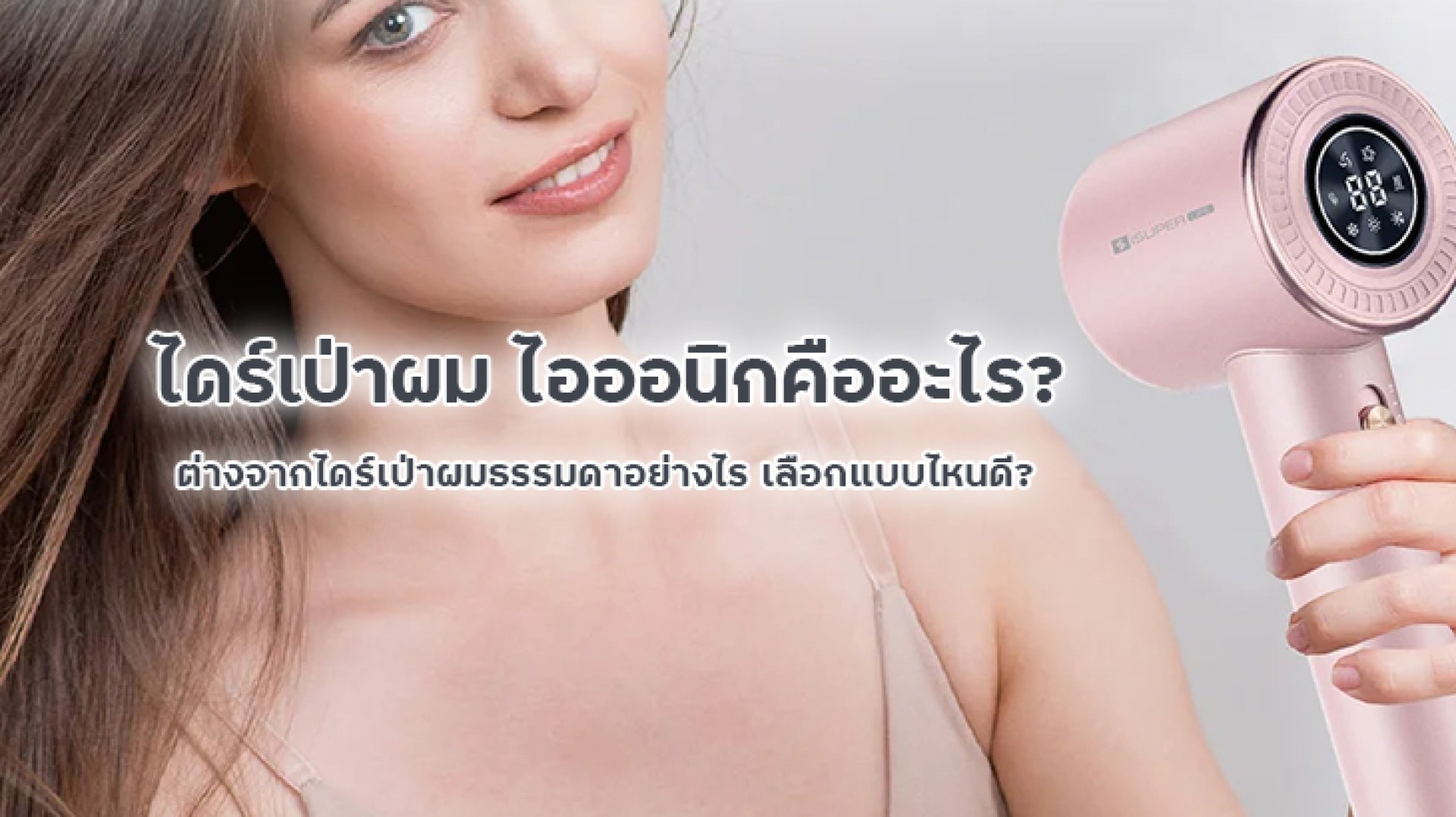
Have you ever finished drying your hair, looked in the mirror, and found that your hair still looks frizzy and difficult to style? This is a common problem, especially for people whose hair tends to develop static electricity after washing or brushing. That is why many people have started looking for an ionic hair dryer, a type of hair dryer that uses negative ion technology to help reduce static and make hair appear smoother after drying.
But how is an ionic hair dryer actually different from a regular hair dryer? Does this technology really make hair dry faster? And is it worth paying extra for an ionic model? Although both types of hair dryers may look similar from the outside, their internal technology and intended benefits are different.
This article explains how ionic technology works, its advantages and limitations, which hair types may benefit from it, and what to consider before buying an ionic hair dryer for everyday use.
What Is an Ionic Hair Dryer?
An ionic hair dryer is a hair dryer equipped with technology that generates and releases negative ions into the airflow. These ions are released along with the warm or cool air directed toward your hair. The main purpose is to help reduce static electricity, which is one of the factors that can cause hair to become frizzy, flyaway, and difficult to manage.
In general, an ionic hair dryer generates negative ions through an internal ion generator. The ions are then released into the airflow and directed toward the hair. This process can help reduce the buildup of static electricity, allowing hair strands to settle more naturally and appear smoother.
Some ionic hair dryer models also include temperature controls and adjustable airflow settings. These features allow users to choose a drying method that better suits their hair type. However, actual performance depends on the technology and overall design of each model. Simply having the word "Ionic" printed on the product does not guarantee the same results across all hair dryers.
How Do Negative Ions Help Reduce Frizz?
Static electricity can build up when hair rubs against towels, combs, clothing, or other surfaces. This can cause individual strands to develop similar electrical charges and repel one another. As a result, hair may become flyaway, frizzy, and difficult to style.
An ionic hair dryer releases negative ions that can help reduce the imbalance of electrical charges on the hair. By helping to reduce static electricity, this technology may make hair appear smoother and less frizzy, particularly for people whose hair tends to become flyaway due to static.
However, negative ions do not repair damaged hair or permanently restore its structure. If your hair is damaged by excessive heat or chemical treatments, you will still need appropriate hair care products and gentle styling habits.
How Is an Ionic Hair Dryer Different from a Regular Hair Dryer?
The main difference between these two types of hair dryers is their internal technology. A regular hair dryer primarily uses airflow and heat to evaporate water from the hair. An ionic hair dryer adds a negative ion system to help reduce static electricity while drying.
Here is a comparison of the main features of both types:
| Feature | Regular Hair Dryer | Ionic Hair Dryer |
|---|---|---|
| Working principle | Uses airflow and heat | Uses airflow and a negative ion system |
| Static reduction | No dedicated ion technology | Helps reduce static electricity in hair |
| Frizz control | Depends on hair condition and drying technique | May reduce frizz caused by static |
| Hair smoothness | Depends on temperature and styling technique | May help hair look smoother |
| Drying performance | Uses airflow and heat to evaporate moisture | Also uses airflow and heat to dry hair |
| Price | Available in a wide range of affordable options | Available at different price levels depending on technology |
| Best for | People who need basic hair-drying functions | People who want to reduce static and frizz |
In simple terms, a regular hair dryer focuses on drying your hair, while an ionic hair dryer adds technology designed to help manage static electricity during the drying process. However, this does not mean every ionic model dries hair faster than a regular one. Drying speed still depends on airflow strength, temperature, motor performance, and the overall design of the appliance.
What Are the Benefits of an Ionic Hair Dryer?
Many people choose an ionic hair dryer not only because of its technology but also because it may help address common hair problems. Static electricity and frizz can make everyday styling frustrating, especially for people who want their hair to look neat without spending too much time in front of the mirror.
1. Helps Reduce Frizz Caused by Static Electricity
One of the main benefits of ionic technology is its ability to help reduce static electricity in the hair. When static buildup decreases, individual strands may be less likely to repel one another and stick out in different directions. This can make hair easier to manage, especially in dry weather or when frequent friction causes static buildup.
2. Helps Hair Look Smoother
When static electricity is reduced, hair may appear more organized and less flyaway. This can create a smoother, more natural-looking finish. It is particularly useful for people who want to make their hair look neat before heading out without spending too much time styling it.
3. May Reduce Drying Time in Some Models
Some ionic hair dryers combine ion technology with high-performance motors and efficient airflow systems. These features may help dry hair faster than models with weaker airflow.
However, faster drying is not caused by negative ions alone. Airflow strength and motor efficiency are still the main factors to consider when comparing drying performance.
4. Makes Hair Easier to Style
For people whose hair becomes frizzy after washing, an ionic hair dryer may help make styling easier by reducing static. Whether you want a straighter look, smoother ends, or a polished finish using a round brush, reducing flyaway strands can make the styling process more manageable.
5. Suitable for Everyday Use
An ionic hair dryer can be used just like a regular hair dryer. There are no complicated additional steps. Simply select the appropriate temperature and airflow settings for your hair type, and the ion technology works during the drying process.
Which Hair Types Benefit Most from an Ionic Hair Dryer?
Although an ionic hair dryer is designed to help reduce static electricity, it does not provide the same level of benefit for everyone. Your hair condition and the specific problem you want to address should guide your choice.
People with Dry and Frizzy Hair
If your hair tends to become flyaway or frizzy after drying, ionic technology may help reduce static electricity and make your hair appear smoother. People who regularly struggle with static-related frizz are among those most likely to benefit from this feature.
People with Thick or Dense Hair
People with thick or dense hair may need more time to dry their hair completely. In this case, choose a hair dryer with sufficient airflow and suitable temperature controls. An ionic model may offer an additional benefit by helping improve the appearance of hair smoothness.
People with Colored or Chemically Treated Hair
Hair that has been colored, permed, or chemically straightened may be more prone to dryness and breakage. Temperature control is therefore an important feature when choosing a hair dryer. Ionic technology may help reduce static and improve the appearance of smoothness, but it cannot directly repair hair structure damaged by chemical treatments.
People with Fine or Flat Hair
If you have fine hair and want to create more volume, be careful not to over-style your hair for a very smooth finish. The result may make fine hair appear flatter or closer to the scalp. Consider using a suitable styling attachment to lift the roots and direct airflow where you need volume.
What Are the Disadvantages and Limitations of an Ionic Hair Dryer?
Although ionic technology offers several potential benefits, it is important to understand its limitations before buying. Choosing an ionic hair dryer does not automatically mean your hair will look healthier or that every type of hair damage can be fixed.
- Some models cost more: Hair dryers with ionic technology and additional features may be more expensive than basic models.
- It does not repair damaged hair: Negative ions may help reduce static, but they do not repair hair damaged by heat or chemical treatments.
- Results vary by hair type: People with naturally straight hair that rarely becomes frizzy may notice only a small difference.
- Not every model dries hair faster: Drying speed still depends mainly on airflow strength and motor performance.
- Temperature control still matters: Even with ionic technology, excessive heat can damage hair over time.
For these reasons, it is better to evaluate the overall performance and features of the appliance rather than choosing a product based only on its ionic technology claims.
5 Tips for Choosing the Right Ionic Hair Dryer
If you are looking for an ionic hair dryer, there are several important features to consider beyond the negative ion system. These details can help you choose a model that offers better value and suits your actual hair care needs.
1. Check Airflow Strength and Motor Performance
Airflow is one of the most important factors affecting drying time. Choose a model with airflow suitable for your hair length and thickness. A higher wattage rating does not always mean better drying performance, so consider the motor and airflow design as well.
2. Choose a Model with Multiple Temperature Settings
Adjustable temperature settings allow you to select a suitable level of heat for your hair. For example, you can use warm air when you want to be more gentle with your hair and finish with cool air to reduce the heat applied during styling.
3. Check the Ionic Technology
Look at the manufacturer's information about the ion system, including how the ion generator operates and how ions are released into the airflow. Avoid judging a product solely by advertised ion quantity figures without considering its other features and overall performance.
4. Select the Right Styling Attachments
A concentrator nozzle is useful for directing airflow and creating smoother styles. A diffuser is designed for curly or wavy hair because it distributes airflow more gently across the hair. Having suitable attachments can make an ionic hair dryer more versatile.
5. Consider Weight and Safety Features
Choose a hair dryer that feels comfortable to hold and is not too heavy for regular use. It is also worth checking for overheat protection, relevant safety certifications, and a reliable product warranty to ensure long-term peace of mind.
How to Use an Ionic Hair Dryer for Better Results
Even if you choose an ionic hair dryer with the right features, proper usage is still important. Good drying habits can help your hair look better while reducing the risk of heat-related damage.
- Remove excess water first: Gently pat your hair with a towel. Avoid rubbing aggressively, as this can cause tangles and friction.
- Apply heat protectant: If you regularly use warm or hot air, apply a heat protection product before drying.
- Divide your hair into sections: Sectioning helps airflow reach your hair more evenly, especially if you have thick or long hair.
- Keep the dryer at a suitable distance: Avoid holding the nozzle too close to your hair. Keep the dryer moving rather than concentrating heat on one area.
- Choose the right temperature: Use a moderate heat setting when possible. You do not need to use the highest temperature every time.
- Finish with cool air: Use the cool-air setting at the end of your routine to reduce heat exposure and help complete your hairstyle.
Frequently Asked Questions About Ionic Hair Dryers (FAQ)
Q1: Does an ionic hair dryer really help reduce frizz?
Yes. Negative ions can help reduce static electricity in the hair, which is one of the factors that causes frizz. This may help hair strands settle more naturally and appear smoother. However, results vary depending on hair condition and the technology used in each model.
Q2: Does an ionic hair dryer dry hair faster than a regular hair dryer?
Not necessarily. Drying speed mainly depends on airflow strength, motor performance, and airflow distribution. Ionic technology is primarily designed to help reduce static electricity rather than directly increase drying speed.
Q3: Can people with dry or damaged hair use an ionic hair dryer?
Yes, but choose a model with adjustable temperature settings and avoid using high heat for extended periods. Ionic technology may help reduce static electricity, but it does not repair hair damaged by heat or chemical treatments.
Q4: Is an ionic hair dryer suitable for curly hair?
Yes. It may be useful if you want to reduce frizz. For better results, consider a model with a diffuser attachment, which helps distribute airflow more evenly and reduces disruption to your natural curls.
Q5: Is an ionic hair dryer worth the extra cost?
It depends on your needs. If you frequently experience frizz and static electricity, ionic technology may be a worthwhile feature. However, if you simply need a hair dryer for basic drying, a regular model with suitable airflow and adjustable temperature settings may be sufficient.
Conclusion: Should You Choose an Ionic Hair Dryer or a Regular Hair Dryer?
An ionic hair dryer differs from a regular hair dryer because it includes a negative ion system designed to help reduce static electricity during the drying process. This makes it a useful option for people who struggle with frizz, flyaway strands, or hair that is difficult to manage and want a smoother-looking finish.
A regular hair dryer is still a practical choice for people who simply need to dry their hair. There is no need to pay extra for technology that may not provide much noticeable benefit for their particular hair type or daily routine.
Before making a purchase, consider airflow strength, temperature controls, weight, styling attachments, and safety features. A good hair dryer should not only dry your hair efficiently but also help you care for it appropriately as part of your everyday routine.