Can You Use a Dust Mite Vacuum on a Sofa? How to Clean Upholstery and Cushions
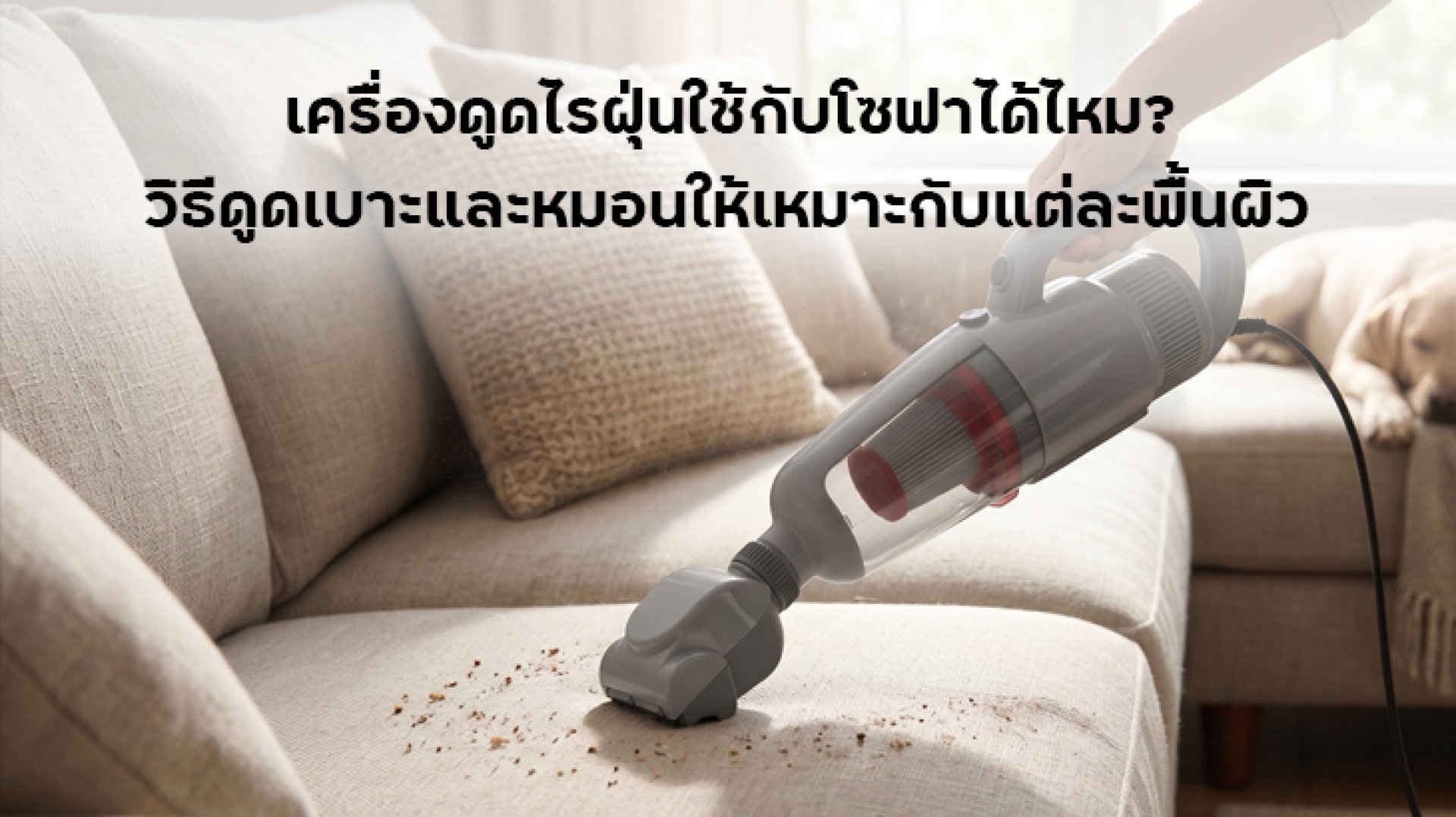
If you have a fabric sofa at home, you may have wondered whether a dust mite vacuum for sofa can be used in the same way as a mattress vacuum. The answer is yes in many cases, particularly for fabric sofas, seat cushions, and decorative pillows that can collect dust, hair, pet fur, and dead skin cells. However, before using one, you should check the sofa's upholstery material and the manufacturer's care instructions. Different surfaces have different levels of resistance to suction, brushes, and heat.
This guide explains which sofa materials are suitable for dust mite vacuums, how to clean different types of upholstery, and what to watch out for when cleaning leather sofas, cushions, and pillows. The goal is to clean appropriately without damaging your furniture.
Can You Use a Dust Mite Vacuum on a Sofa?
A dust mite vacuum can be used to clean many types of sofas, especially fabric sofas and upholstered cushions. These surfaces can accumulate dust, food crumbs, hair, and tiny flakes of dead skin, particularly when the sofa is used frequently or placed in a home with pets.
Dust mite vacuums generally use suction together with a brush or vibration mechanism to help remove dust and debris from the surface and fabric layers. Some models also include fine-particle filtration, UV light, or a heating function. However, these features vary by model, and they should not be assumed to eliminate all dust mites or allergens.
Not every sofa is suitable for this type of cleaning. Leather sofas and delicate upholstery may require a different approach. Always check the manufacturer's cleaning recommendations before using a dust mite vacuum directly on the material.
Can You Use a Dust Mite Vacuum on Different Types of Sofas?
Before cleaning, identify the type of upholstery on your sofa. The material determines which vacuum head is appropriate, how much suction to use, and whether certain functions should be avoided.
1. Fabric Sofas: Generally Suitable for Dust Mite Vacuums
Fabric sofas are usually the most suitable type for dust mite vacuuming. Their fibers and seams can collect dust, food particles, hair, and pet fur. This is particularly common in sofas that are used every day or in homes with pets.
How to clean a fabric sofa:
- Remove detachable cushions and decorative pillows first.
- Vacuum the seating areas and backrests using the appropriate attachment.
- Move the vacuum slowly along the fabric instead of pressing or scrubbing too hard.
- Use a smaller attachment to clean seams and gaps between cushions.
- Check and empty the dust container after cleaning.
If your sofa is made of velvet or another fabric with delicate or long fibers, test the vacuum on a small, hidden area first. Check whether the brush causes the fibers to become rough, flattened, or damaged.
2. Leather Sofas: Use Extra Care
Genuine leather and synthetic leather have relatively smooth surfaces, so they do not generally require the same brush or vibration action used on fabric upholstery. A rotating brush or strong vibration mechanism may scratch the surface or affect its protective coating.
How to clean a leather sofa:
- Use a dry microfiber cloth to remove surface dust.
- For dust in gaps, use a vacuum with a soft attachment and suitable suction.
- Avoid hard brushes and pressing the vacuum head directly against the leather.
- Do not use UV light or heat unless the manufacturer confirms that it is safe for the material.
- Use a leather-specific cleaning product according to the manufacturer's instructions.
In short, leather sofas can be cleaned with a suitable vacuum, but avoid using a dust mite vacuum with an aggressive brush or heating function unless the manufacturer specifically approves it for that material.
3. Seat Cushions and Back Cushions: Suitable When the Material Allows
Seat cushions frequently come into contact with the body, so they can collect dust, hair, sweat, and dead skin cells. If the cushions are covered with fabric that is suitable for vacuuming, a dust mite vacuum can be used to clean them.
How to clean sofa cushions:
- Remove the cushion covers if they are designed to be washable.
- Vacuum the cushion surface and both sides where appropriate.
- Pay particular attention to edges, seams, and stitched areas.
- Avoid pressing too hard on very soft cushions, as this may affect their shape.
- If you use any wet-cleaning method, allow the cushions to dry completely before putting them back.
4. Decorative Pillows: Suitable, but Check the Fabric and Filling
Decorative pillows are often overlooked during sofa cleaning. However, they regularly come into contact with your face, arms, and clothing, making them another surface where dust and debris can accumulate.
If the pillow has a fabric cover that can withstand vacuuming, you can use a dust mite vacuum to clean its outer surface.
How to clean decorative pillows:
- Check whether the pillow cover can be removed and washed.
- If the cover is removable, wash it according to the care label.
- Use the dust mite vacuum gently on the outer fabric.
- Turn the pillow over to clean both sides.
- Avoid using heat on pillows with fillings that are not heat-resistant.
For pillows filled with down, memory foam, or other specialty materials, check the manufacturer's care instructions first. The internal filling may not be suitable for high heat or strong suction.
How to Use a Dust Mite Vacuum on a Sofa Properly
Although a dust mite vacuum for sofa cleaning can be useful, using it correctly is just as important as choosing the right machine. Vacuuming only the seating area while ignoring seams, corners, and decorative pillows may leave dust in other parts of the furniture.
Step 1: Check the Upholstery Material and Care Instructions
Read the sofa's care label or manual before vacuuming. If the material is not suitable for rotating brushes, vibration, or heat, choose another cleaning method.
Step 2: Remove Loose Items and Debris
Take off decorative pillows, removable cushions, and blankets. Remove larger pieces of food or debris before vacuuming to prevent them from getting stuck in the vacuum head.
Step 3: Vacuum Large Areas Before Small Gaps
Start with the main seating area and backrest. Then use a smaller attachment to clean seams, corners, and narrow gaps where dust tends to accumulate.
Step 4: Move the Vacuum Head at a Steady Pace
Do not move the vacuum too quickly or press it down so hard that the fabric becomes compressed. Move it slowly and evenly, following the manufacturer's recommended technique.
Step 5: Clean Cushions and Pillows Separately
Remove cushions and decorative pillows from the sofa and clean them separately. This makes it easier to reach their sides and the areas underneath them.
Step 6: Empty the Dust Container and Maintain the Filter
After cleaning, empty the dust container according to the manufacturer's instructions. Check the filter for accumulated dust or blockages. If the filter is washable, follow the recommended cleaning procedure and allow it to dry completely before reinstalling it.
Are UV Light and Heating Functions Necessary for Sofa Cleaning?
Some dust mite vacuums include additional features such as UV light and heating functions. These are often marketed for cleaning mattresses and upholstered furniture. However, it is important to understand what these features can and cannot do before using them on a sofa.
What Does UV Light Do?
Certain wavelengths of UV light can help reduce microorganisms under suitable conditions. However, effectiveness depends on the type of UV light, intensity, exposure time, and distance from the surface. A vacuum with UV functionality should not automatically be considered capable of eliminating all dust mites or allergens.
Direct exposure to UV light should also be avoided, particularly around the eyes and skin. Always follow the manufacturer's safety instructions and use the machine's built-in safety mechanisms.
What Does the Heating Function Do?
Heat may help reduce surface moisture and can contribute to dust mite control under certain conditions. However, this does not mean that every vacuum's heating function can completely eliminate dust mites. Some sofa materials may also be damaged by heat, so check the upholstery manufacturer's recommendations before using this feature.
If you plan to use a dust mite vacuum on your sofa regularly, prioritize suitable suction, effective filtration, an upholstery-friendly vacuum head, and easy maintenance rather than choosing a model based only on the number of additional features.
How Often Should You Use a Dust Mite Vacuum on a Sofa?
Cleaning frequency depends on how often the sofa is used, the surrounding environment, and whether you have pets. The following schedule can be used as a general starting point.
| Area | Suggested Starting Frequency | What to Focus On |
|---|---|---|
| Fabric sofa | Approximately once a week | Seating areas and backrests |
| Seat cushions | Approximately once a week | Both sides and seams |
| Decorative pillows | Approximately once a week | Outer fabric and pillow covers |
| Sofa in a home with pets | More frequently if fur and dust accumulate | Pet hair and gaps between cushions |
This schedule is a general guideline rather than a strict requirement. If your sofa collects a lot of dust or pet fur, you can clean it more frequently as needed.
Important Precautions When Using a Dust Mite Vacuum on a Sofa
- Check the upholstery material: Some delicate fabrics, genuine leather, and coated surfaces may not be suitable for brushes or heat.
- Do not press the vacuum too hard: Excessive pressure and friction may cause fabric pilling or deform the cushions.
- Use UV light safely: Follow the manufacturer's instructions and avoid direct exposure to UV light.
- Avoid heat on unsuitable materials: Heat may damage leather, adhesives, or certain types of fibers.
- Maintain the filter: A clogged filter can reduce vacuum performance.
- Do not expect vacuuming to remove every allergen: Combine vacuuming with appropriate washing of removable covers and regular room cleaning.
Conclusion: A Dust Mite Vacuum Can Be Used on Sofas, but Choose the Right Method for Each Material
The answer is yes: a dust mite vacuum for sofa cleaning can be useful, especially for fabric sofas, seat cushions, and decorative pillows that are suitable for vacuuming. However, leather sofas and delicate upholstery require extra care. A soft cloth or an appropriate vacuum attachment may be safer than using a rotating brush or heating function directly on these surfaces.
Before cleaning, check the upholstery material, move the vacuum head steadily, and maintain the filter after use. Regular vacuuming, combined with washing removable pillow covers and sofa covers according to their care instructions, can help reduce accumulated dust and allergens more effectively than cleaning only one area.
Frequently Asked Questions (FAQ)
1. Can you use a dust mite vacuum on a fabric sofa?
Yes. Fabric sofas are generally suitable for dust mite vacuuming, but you should check the fabric type and manufacturer's instructions first. This is particularly important for velvet and other delicate fabrics.
2. Can you use a dust mite vacuum on a leather sofa?
Use extra care. A leather sofa is better cleaned with a soft cloth or a suitable vacuum attachment. Avoid hard brushes, strong vibration, and heat that may damage the surface.
3. Can you use a dust mite vacuum on decorative pillows?
Yes, if the pillow's outer material is suitable for vacuuming. Check the care label, wash removable covers according to the instructions, and avoid heat if the filling is not heat-resistant.
4. How often should you vacuum a sofa with a dust mite vacuum?
For a typical fabric sofa, you can start with once a week and adjust the frequency according to dust levels, usage, and whether you have pets. Homes with significant pet hair or dust may need more frequent cleaning.
5. Can a dust mite vacuum with UV light eliminate all dust mites on a sofa?
No. UV effectiveness depends on the type of light, intensity, exposure time, and distance from the surface. Treat it as an additional feature alongside regular vacuuming and appropriate cleaning methods.