Air Purifier Filter Smells Bad? What Causes It and How to Fix It Without Damaging the Filter
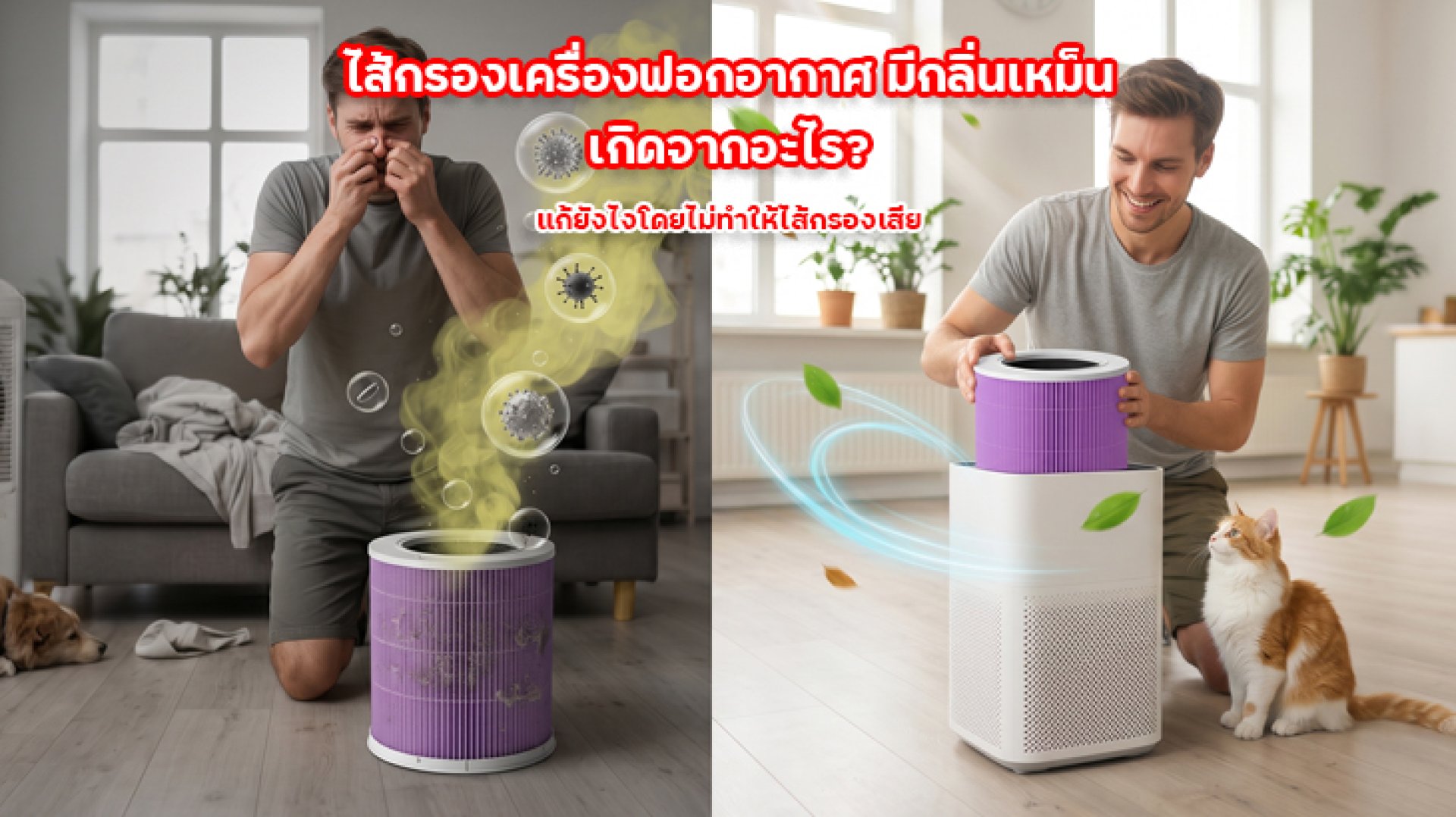
If your air purifier filter smells bad, you might assume that the filter is dirty or needs replacing immediately. However, unpleasant odors can come from several sources, including accumulated dust, moisture, a saturated activated carbon layer, or odors inside the room itself.
The important thing is to identify the cause before cleaning or replacing anything. Some filters can be cleaned, while others can be permanently damaged by water, detergent, or excessive heat. This guide explains seven common reasons why an air purifier filter smells bad and how to deal with each one safely.
Understanding the Different Layers of an Air Purifier Filter
Before troubleshooting an odor, it helps to understand what each filter layer does. Many air purifiers use multiple filtration stages, and each one handles different types of contaminants.
1. Pre-Filter: Captures Larger Particles
The Pre-filter is the first layer of filtration. It captures larger particles such as hair, lint, pet fur, and visible dust before air reaches the finer filter layers.
Because it collects larger debris, the Pre-filter can become dirty relatively quickly. Dust buildup may contribute to a stale or musty smell, especially when the filter is exposed to moisture.
2. HEPA Filter: Captures Fine Particles
The HEPA filter is designed to capture fine airborne particles, including dust, pollen, and other small particles. It plays an important role in improving indoor air quality.
However, dust accumulation and long-term use can affect the filter's condition. Most HEPA filters are not washable, so cleaning them with water may damage the filter material.
3. Activated Carbon Filter: Helps Reduce Odors
Activated carbon is designed to adsorb certain gases and odors, such as cooking smells and other unpleasant airborne compounds.
Unlike a particle filter, activated carbon works by trapping certain compounds on its porous surface. Once its adsorption capacity is reduced, odors may become noticeable again even if the filter looks clean.
7 Reasons Why an Air Purifier Filter Smells Bad
1. Dust Has Accumulated on the Pre-Filter
One of the most common reasons an air purifier filter smells bad is dust and debris accumulating on the Pre-filter.
Pet hair, fabric fibers, and household dust can build up over time. When airflow passes through this layer, an unpleasant dusty or stale odor may become noticeable.
How to fix it:
- Turn off and unplug the air purifier before maintenance.
- Remove the Pre-filter according to the manufacturer's instructions.
- Use a vacuum cleaner or soft brush to remove loose dust.
- If the manufacturer confirms that the Pre-filter is washable, clean it as instructed.
- Allow it to dry completely before reinstalling it.
Do not assume every Pre-filter can be washed. Some models use washable materials, while others require dry cleaning only.
2. Moisture Has Caused a Musty Smell
Moisture can contribute to an unpleasant musty odor, particularly when a filter or its surrounding components remain damp for an extended period.
This can happen when an air purifier is used in a humid environment, placed near a source of moisture, or has a washable component reinstalled before it is completely dry.
How to fix it:
- Turn off the air purifier and inspect the filter and surrounding area.
- Check whether any washable components are still damp.
- Dry washable parts completely according to the manufacturer's instructions.
- Keep the air purifier away from water sources and areas with excessive moisture.
- If the filter itself has developed a persistent musty smell, check the manual or contact the manufacturer about replacement.
A musty smell does not automatically prove that mold is present. However, persistent odors should not be ignored, especially if moisture has reached parts that cannot be cleaned safely.
3. The Activated Carbon Filter Has Reached Its Adsorption Capacity
If the air purifier continues to remove dust but cooking smells, pet odors, or other unpleasant smells remain, the activated carbon layer may have lost some of its effectiveness.
Activated carbon has a limited adsorption capacity. Over time, it can become less effective as it captures airborne compounds.
How to fix it:
- Check the filter's recommended replacement interval.
- Consider how frequently the room is exposed to cooking odors, smoke, or pets.
- Replace the activated carbon filter when recommended by the manufacturer.
- Avoid washing or spraying the carbon layer unless the manufacturer specifically allows it.
Washing an activated carbon filter may reduce its effectiveness or damage its structure. A filter that looks clean is not necessarily capable of adsorbing odors as effectively as before.
4. Dust Has Accumulated Inside the HEPA Filter
A HEPA filter can gradually collect airborne particles during normal operation. Although it may not look particularly dirty from the outside, accumulated particles can contribute to an unpleasant smell in some situations.
If the filter has been used for a long time or exposed to a dusty environment, its condition and replacement schedule should be checked.
How to fix it:
- Check the filter's service life and replacement recommendations.
- Inspect it for visible damage or unusual discoloration.
- Replace it if it has reached the recommended service life or has persistent odors.
- Do not wash the HEPA filter unless the manufacturer explicitly states that the specific model is washable.
Water can damage the filter media and affect its filtration performance. Avoid treating a HEPA filter like a reusable fabric filter.
5. The Odor Comes from the Room, Not the Filter
Sometimes the air purifier filter smells bad only because it has absorbed or captured odors circulating in the room. The actual source may be somewhere else.
Common sources include:
- Cooking fumes and food odors
- Pet bedding, litter boxes, or pet areas
- Smoke and other airborne odors
- Garbage bins and food waste
- Damp furniture, carpets, or curtains
How to fix it:
- Remove the source of the odor whenever possible.
- Clean areas where odors tend to accumulate.
- Improve ventilation when outdoor air quality allows.
- Use an air purifier with an appropriate activated carbon filter for odor reduction.
An air purifier can help reduce certain airborne odors, but it cannot replace cleaning or removing the source of the smell.
6. Dust Has Accumulated Inside the Air Purifier Housing
If the filter looks clean but the air coming out of the purifier still smells unpleasant, dust may have accumulated inside the housing, around the fan, or near the air outlet.
Dust in these areas can remain even after the filter has been replaced.
How to fix it:
- Turn off and unplug the air purifier.
- Remove the filter according to the user manual.
- Use a dry, soft cloth to clean accessible surfaces.
- Clean the air inlet and outlet areas carefully.
- Do not pour water or cleaning liquid into the housing.
If the odor appears to come from internal electrical components, the fan, or an inaccessible area, stop using the unit and contact an authorized service center.
7. The Filter Has Reached the End of Its Service Life
Every filter has a limited service life. Even when it does not look visibly dirty, its filtration or odor-adsorption performance may decline over time.
Signs that the filter may need replacement include:
- A persistent unpleasant smell that does not disappear after appropriate maintenance.
- Reduced airflow compared with normal operation.
- A filter replacement warning from the air purifier.
- Visible damage, deformation, or deterioration.
- The filter has exceeded the manufacturer's recommended replacement interval.
Do not rely only on appearance. A filter can look relatively clean while its ability to capture particles or adsorb odors has already declined.
How to Fix an Air Purifier Filter That Smells Bad Without Damaging It
If your air purifier filter smells bad, follow these steps before deciding whether to replace it.
Step 1: Turn Off and Unplug the Air Purifier
Always switch off and unplug the unit before removing filters or cleaning accessible parts. This helps prevent accidental operation during maintenance.
Step 2: Identify Which Filter Layer Smells
Check the Pre-filter, HEPA filter, and activated carbon layer separately if the design allows it. This helps identify whether the odor comes from dust, moisture, or a filter that has reached the end of its service life.
Step 3: Clean Only the Parts That Are Designed to Be Cleaned
Use a vacuum cleaner or soft brush for dry-cleaning components. Wash a Pre-filter only when the manufacturer confirms that it is washable.
Never assume that all filter layers can be cleaned using the same method.
Step 4: Check the Filter Housing and Air Outlet
Clean accessible surfaces with a dry, soft cloth. Pay attention to areas where dust can accumulate, including the air inlet and outlet.
Step 5: Make Sure All Washable Parts Are Completely Dry
If a component has been washed, allow it to dry completely before reinstalling it. Reinstalling a damp component can create additional problems and may contribute to unpleasant odors.
Step 6: Replace Filters That Cannot Be Restored
If the odor remains after proper maintenance, or the filter has reached its recommended service life, replacement may be the most appropriate solution.
What You Should Never Do When Cleaning an Air Purifier Filter
Trying to remove odors with the wrong cleaning method can damage the filter and reduce its performance. Avoid these common mistakes.
| Cleaning Method | Why You Should Avoid It |
|---|---|
| Washing a non-washable HEPA filter | Water may damage the filter media and reduce filtration performance. |
| Spraying perfume or air freshener | Fragrance can mask the odor without addressing its source. |
| Using bleach or strong disinfectants | Chemicals may damage filter materials and leave unwanted residues. |
| Using a hair dryer or high heat | Excessive heat may deform or damage filter components. |
| Leaving a washable filter in direct sunlight without checking the instructions | Some materials may deteriorate or deform under unsuitable drying conditions. |
| Scrubbing the filter with a hard brush | Rough cleaning can damage delicate filter materials. |
The safest approach is to follow the cleaning and maintenance instructions for your specific air purifier model.
Which Air Purifier Filters Can Be Cleaned?
Not every filter is designed for repeated cleaning. The table below provides a general guide, but the manufacturer's instructions should always take priority.
| Filter Type | Can It Be Cleaned? | Recommended Care |
|---|---|---|
| Pre-filter | Depends on the model | Vacuum or wash only if the manufacturer permits it. |
| HEPA Filter | Generally not washable | Replace according to the manufacturer's recommendations. |
| Activated Carbon Filter | Generally not washable | Replace when its odor-adsorption performance declines. |
Always check the user manual before cleaning any filter. Even filters that look similar can use different materials and maintenance requirements.
When Should You Replace an Air Purifier Filter?
Cleaning may help remove loose dust, but it cannot restore every type of filter to its original condition.
Consider replacing the filter when:
- The odor remains after appropriate cleaning and maintenance.
- The activated carbon layer no longer reduces unpleasant smells effectively.
- The HEPA filter has reached its recommended service life.
- The filter is damaged, deformed, or deteriorating.
- The air purifier continues to show a replacement warning after the filter has been checked according to the manual.
Replacement intervals vary depending on the filter design, air quality, usage frequency, and the manufacturer's recommendations. A filter used in a dusty environment may need attention sooner than one used in a cleaner room.
Conclusion: Identify the Odor Before Replacing the Filter
When an air purifier filter smells bad, the cause may be accumulated dust, moisture, activated carbon saturation, or odors coming from the room. It does not necessarily mean that every filter layer needs to be replaced immediately.
Start by checking the Pre-filter, inspecting the filter housing, and identifying the source of the smell. Clean only components that the manufacturer allows you to clean, and avoid washing HEPA or activated carbon filters unless the specific model is explicitly designed for it.
Most importantly, follow the recommended maintenance schedule. Proper care can help maintain airflow, filtration performance, and the overall service life of your air purifier.
Frequently Asked Questions (FAQ)
1. Why does my air purifier filter smell bad?
Common causes include accumulated dust, moisture, a saturated activated carbon filter, odors from the room, or a filter that has reached the end of its service life. Inspect the filter layers and surrounding components to identify the source.
2. Can I wash an air purifier filter to remove the smell?
It depends on the filter type and model. Some Pre-filters are washable, but most HEPA and activated carbon filters should not be washed unless the manufacturer specifically permits it.
3. Why does my air purifier smell musty?
A musty smell may be related to moisture, damp washable components, or odors inside the filter housing. Check for moisture and follow the manufacturer's cleaning instructions. A persistent smell may require filter replacement or professional inspection.
4. Can I spray perfume or air freshener on an air purifier filter?
No. Spraying perfume or air freshener onto a filter is not recommended. It may mask the smell without removing its source and could leave unwanted substances on the filter material.
5. How do I know when an air purifier filter needs replacing?
Replace the filter when it reaches the manufacturer's recommended service life, becomes damaged, or continues to produce an unpleasant odor despite proper maintenance. Reduced airflow and replacement indicators can also help you assess its condition.