Can a Vacuum Cleaner Pick Up Water? Which Types Can, and What Should You Never Vacuum?
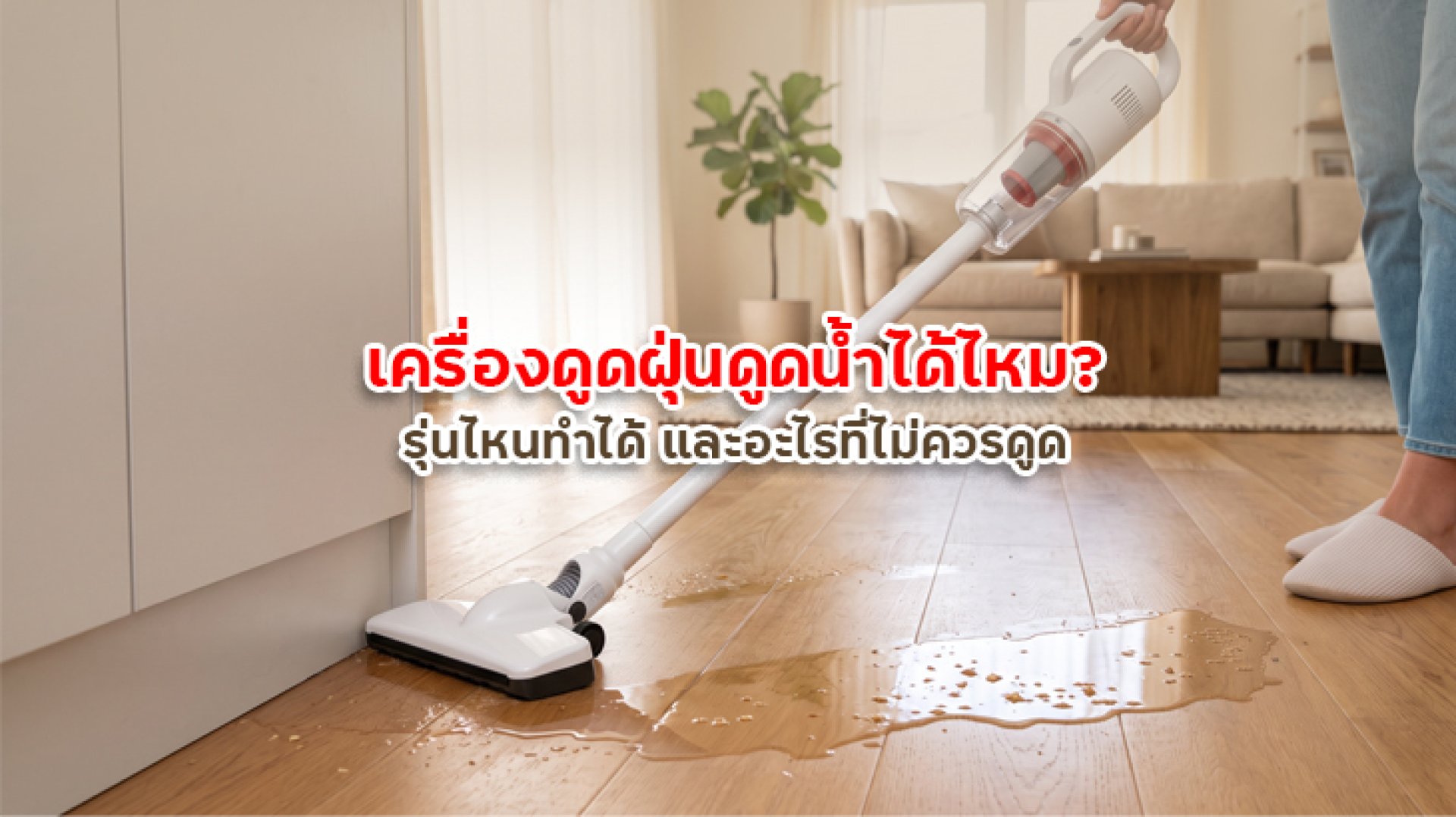
Have you ever spilled water on the floor and wondered whether you could simply grab your vacuum cleaner and clean it up? The answer to Can a vacuum cleaner pick up water? depends on the type of machine you own. Some vacuum cleaners are designed to handle liquids, while ordinary dry vacuum cleaners are generally not suitable for wet messes.
Using the wrong type of vacuum can damage the filters, affect internal components, or create an electrical safety hazard. Before using your vacuum to clean up a spill, it is important to understand the differences between a dry vacuum cleaner, a wet and dry vacuum, and a wet floor washer.
Can a Vacuum Cleaner Pick Up Water?
Some vacuum cleaners can pick up water, but only if the manufacturer specifically designs the machine for wet cleaning. Suction power and wattage alone do not determine whether a vacuum can safely handle liquids.
| Vacuum Cleaner Type | Can It Pick Up Water? | Best For |
|---|---|---|
| Standard dry vacuum cleaner | No, not recommended | Dust, crumbs, hair, and dry debris |
| Wet and dry vacuum cleaner | Yes, if the model supports wet pickup | Dry debris and approved liquids |
| Wet floor washer | Designed to handle water as specified by the manufacturer | Cleaning hard floors with water and collecting dirty liquid |
| Standard cordless stick vacuum | Generally no | Everyday dry cleaning |
| Specialized liquid vacuum | Yes, within its specified operating limits | Specific liquid-cleaning applications |
Quick tip: If you need to clean up spilled water, look for a vacuum labeled Wet & Dry or one whose manual explicitly confirms that it supports wet pickup. Never assume that a vacuum can handle liquids just because it looks sturdy or has powerful suction.
What Is the Difference Between Vacuum Cleaner Types?
1. Standard Dry Vacuum Cleaners
Standard vacuum cleaners are designed to collect dust, hair, crumbs, and other dry debris. Their filtration systems and internal components are not necessarily designed to handle liquids.
If water enters a dry vacuum cleaner, it may wet or damage the filter, obstruct airflow, or affect internal components. The extent of the damage depends on the machine's design and how much liquid enters it.
Our recommendation: Use a cloth or an appropriate liquid-cleaning tool to remove spills. Do not experiment with water pickup unless the manufacturer explicitly permits it.
2. Wet and Dry Vacuum Cleaners
A Wet & Dry vacuum cleaner is designed to handle both dry debris and certain liquids. Models intended for wet pickup commonly feature a suitable collection tank and a filtration system configured for wet operation.
These machines can be useful in homes, garages, workshops, and other areas where dust and liquid spills may occur. However, some models require you to remove the dust bag or change the filter configuration before collecting liquids. Always follow the instructions for your specific model.
Wet and dry capability does not mean that a vacuum can safely collect every type of liquid. Household models may not be suitable for flammable liquids, corrosive chemicals, or hazardous substances.
3. Wet Floor Washers
Wet floor washers are designed to clean floors using water or a cleaning solution while collecting dirty liquid into a separate tank. Depending on the model, they may use a rotating roller or another cleaning mechanism to remove dirt from hard surfaces.
These machines can be convenient for cleaning compatible hard floors, such as certain tile surfaces. However, they should not automatically be treated as substitutes for dedicated wet and dry vacuums, especially when dealing with large amounts of standing water or liquids that the manufacturer does not approve.
What Should You Never Vacuum?
Even if your machine supports wet pickup, it does not mean that every substance is safe to collect. Certain materials can clog the machine, damage its components, or create serious safety risks.
1. Water in a Dry-Only Vacuum Cleaner
Never use a vacuum designed exclusively for dry cleaning to collect water. Liquid can damage filters and reach components that are not designed to withstand moisture.
If you accidentally vacuum water, switch off the machine and unplug it only if you can do so safely. Avoid touching wet electrical components or plugs. Check the manual and contact the manufacturer's service center before using the machine again.
2. Flammable Liquids and Hazardous Chemicals
Gasoline, solvents, and other flammable liquids should not be collected using an ordinary household vacuum cleaner. Their vapors can create serious fire or explosion hazards around electrical components.
Corrosive, toxic, or otherwise hazardous chemicals can also damage internal materials and expose users to harmful substances. Use only equipment specifically approved for the substance in question.
3. Liquids That Produce Excessive Foam
Soapy water and highly foaming cleaning solutions may create foam that enters parts of the machine not designed to handle it. This can interfere with the collection system or damage components in some models.
Before vacuuming any cleaning solution, check whether the manufacturer permits it and whether a specific type or concentration of detergent is required.
4. Broken Glass and Sharp Objects
Broken glass, nails, and sharp metal fragments can damage the hose, attachments, or collection container. They may also create a safety risk when emptying the vacuum.
Use an appropriate and safe cleanup method for broken glass rather than assuming that an ordinary household vacuum can handle it.
5. Hot Ashes and Hot Materials
Never vacuum hot ashes, smoldering cigarette butts, or other hot materials with a regular vacuum cleaner. They may damage internal components or create a fire hazard.
Even if a model is designed for collecting cold ash, use it only as directed by the manufacturer and with the specified attachments and filters.
6. Fine Dust Without Suitable Filtration
Construction dust, very fine powder, and certain types of soot may pass through a filtration system that is not designed for them. This can allow particles to escape back into the air or damage the vacuum.
Check the manufacturer's guidance for the types of dust the machine can handle, and choose an appropriate filtration system for the intended task.
What Should You Do If You Accidentally Vacuum Water?
If water enters a standard dry vacuum cleaner, do not keep running the machine to see whether it still works. Prioritize electrical safety and follow these steps:
- Switch off the machine and unplug it only when this can be done safely. Avoid touching wet plugs, outlets, or electrical components.
- Do not turn the vacuum back on to test it.
- Check the user manual and contact the manufacturer's service center for an assessment.
- Do not open the housing or attempt electrical repairs unless you have the appropriate training and equipment.
- If water is near an electrical outlet or electrical equipment, stay clear of the area and seek help from a qualified person.
Allowing the vacuum to dry does not guarantee that it is safe to use again. Moisture may have reached the motor, electrical circuits, or other components that cannot be inspected from the outside.
How to Choose a Vacuum Cleaner That Can Pick Up Water
If you need a machine for both dust and liquid cleanup, choose one based on your actual cleaning requirements rather than wattage or suction power alone.
- Check the vacuum type: Choose a Wet & Dry vacuum if you need to collect both dry debris and liquids. Consider a wet floor washer if your main task is washing compatible hard floors.
- Check the filtration system: Some models require you to remove the dust bag or change the filter before wet pickup.
- Consider tank capacity: Choose a capacity suitable for the amount of liquid and debris you expect to collect.
- Look for overflow protection: Some wet and dry vacuums include a float mechanism or another system that stops liquid pickup when the tank is full. Do not assume every model has this feature.
- Check maintenance requirements: Find out how to empty the tank, clean the components, and dry the machine after wet use.
- Read the manufacturer's restrictions: Confirm which liquids are permitted and whether there are restrictions on chemicals, foam, or hazardous materials.
Conclusion: Can a Vacuum Cleaner Pick Up Water?
A vacuum cleaner can pick up water only if it is specifically designed for wet use. Suitable options include certain Wet & Dry vacuum cleaners and some wet floor washers. Standard dry vacuum cleaners and ordinary cordless stick vacuums should not be used to collect water unless the manufacturer explicitly confirms that they support it.
Before buying or using a vacuum, check its design, filtration system, tank capacity, and operating restrictions. Even a wet and dry vacuum cannot safely handle every type of liquid or material.
Choosing the right machine for the job helps reduce the risk of damage and makes everyday cleaning safer and more effective.
Frequently Asked Questions
Can a regular vacuum cleaner pick up water?
Generally, no. A vacuum designed only for dry cleaning should not be used to collect water because moisture may damage its filter or internal components. Always check the user manual.
Can a cordless vacuum cleaner pick up water?
Most standard cordless vacuum cleaners are designed for dry debris only. Some specialized models support wet cleaning, so check the specifications and instructions for your exact model.
Can a Wet & Dry vacuum cleaner pick up soapy water?
It depends on the manufacturer's instructions. Highly foaming liquids may enter parts of the machine that are not designed to handle foam. Do not collect soapy water unless the manual explicitly permits it.
What should I do if I accidentally vacuum water?
Switch off the machine and unplug it if you can do so safely. Do not restart it to test whether it still works. Check the manual and contact the manufacturer's service center before using it again.
Can a vacuum cleaner that handles water also pick up oil or chemicals?
Not necessarily. Household wet and dry vacuums are not automatically suitable for flammable liquids, toxic substances, or corrosive chemicals. Always follow the manufacturer's restrictions.
References
- Dyson How to Use a Wet and Dry Vacuum: A Complete Guide
- Kärcher Wet and Dry Vacuum Cleaner Operating Instructions
- Kenmore Wet/Dry Vacuum Cleaner User Manual