How Loud Should You Play Music to Protect Your Hearing? Safe Volume Levels & Listening Tips (2026)
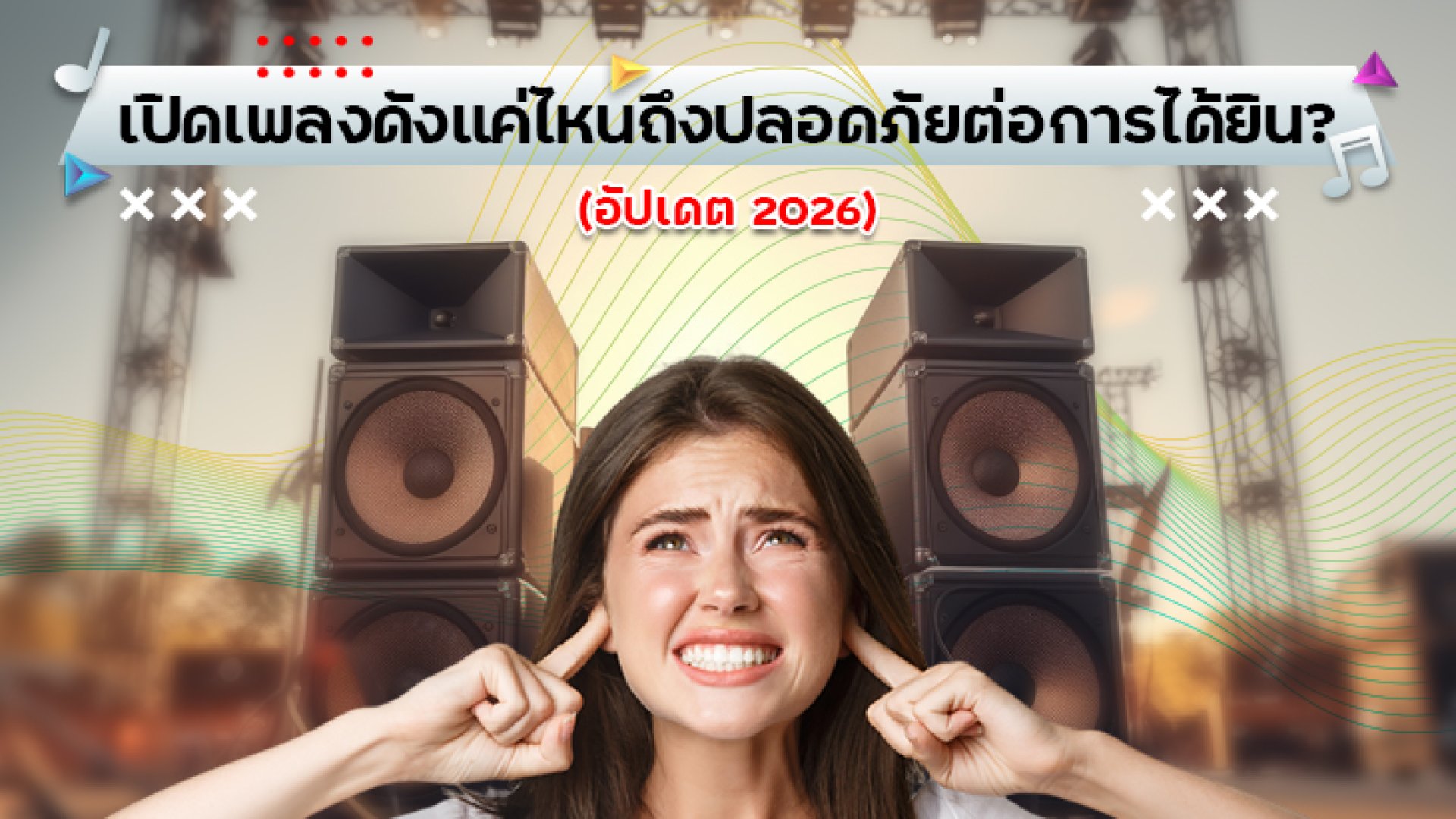
Many people enjoy listening to music with headphones while working, studying, traveling, exercising, or gaming. However, one common question remains: "How loud should you play music to keep your hearing safe?"
Although listening to music can improve relaxation and entertainment, playing audio at excessive volume levels for extended periods may increase the risk of permanent hearing damage, known as Noise-Induced Hearing Loss (NIHL).
The World Health Organization (WHO) has highlighted that millions of people, especially teenagers and young adults, are at risk of hearing damage from unsafe listening habits, including prolonged headphone use and exposure to loud sounds.
This article explains safe listening levels, recommended decibel limits, how long you should use headphones, the 60/60 listening rule, and practical ways to protect your hearing while still enjoying music.
Why Can Loud Music Damage Your Hearing?
Inside the inner ear, there are tiny sensory structures called hair cells. These cells are responsible for converting sound vibrations into electrical signals that are sent to the brain, allowing us to hear sounds.
When these cells are exposed to loud sounds for a long time, they can become damaged. Unlike many other cells in the human body, damaged hair cells in the inner ear cannot naturally regenerate.
Over time, repeated exposure to loud music may lead to Noise-Induced Hearing Loss (NIHL), a condition where hearing ability gradually decreases due to excessive sound exposure.
What Is Noise-Induced Hearing Loss (NIHL)?
Noise-Induced Hearing Loss (NIHL) is hearing damage caused by exposure to loud sounds either for a long period or from extremely loud sounds in a short amount of time.
Common causes include concerts, loud workplaces, power tools, traffic noise, and listening to music through headphones at excessive volume levels.
In the early stages, many people may not notice hearing changes immediately. However, over time, symptoms may include difficulty understanding conversations, increasing the volume more often, or experiencing ringing sounds in the ears (Tinnitus).
Can Hearing Damage Be Reversed?
Currently, damaged sensory hair cells inside the inner ear cannot fully repair themselves. This means prevention is the most effective way to maintain healthy hearing.
Simple habits such as lowering volume levels, taking listening breaks, and choosing headphones that reduce background noise can significantly reduce the risk of long-term hearing problems.
Important Things to Know
- Hearing damage from loud music usually develops gradually rather than happening instantly.
- The louder the sound, the shorter the safe listening time becomes.
- Reducing volume slightly can greatly lower the risk of hearing damage over time.
What Sound Levels (dB) Are Considered Safe?
Many people assume that keeping the headphone volume below 100% means their hearing is safe. However, volume percentage alone does not determine hearing safety, because different headphones have different maximum output levels, sensitivity, and sound power.
The measurement used to evaluate sound intensity is called decibels (dB). The higher the decibel level, the shorter the recommended safe listening time becomes.
| Sound Level (dB) | Example | Recommended Exposure Time |
|---|---|---|
| 60 dB | Normal conversation | Safe for extended periods |
| 70 dB | Low-volume music | Several hours |
| 85 dB | Heavy traffic noise | Up to 8 hours |
| 90 dB | Lawn mower | Approximately 2 hours |
| 95 dB | Motorcycle noise | Approximately 50 minutes |
| 100 dB | Concert-level sound | Approximately 15 minutes |
| 105 dB+ | Nightclubs / powerful speakers | Only a few minutes |
According to hearing health recommendations, continuous exposure to sounds above 85 dB may increase the risk of hearing damage, especially when exposure happens regularly over a long period.
What Percentage Should You Set Your Headphones Volume?
One of the most common questions among headphone users is: "What volume percentage is safe for headphones?"
The answer is that there is no universal percentage that applies to every headphone model.
Different headphones produce different sound levels depending on factors such as driver size, sensitivity, amplifier power, and design. For example, 60% volume on one headphone model may be louder than 60% on another model.
However, many hearing specialists recommend keeping everyday listening around 5060% of the maximum volume level. This provides a comfortable listening experience while reducing unnecessary exposure to loud sound.
Practical Volume Tips
- Start listening at around 50% volume and adjust only if necessary.
- In quiet environments, avoid increasing volume unnecessarily.
- If you need more than 80% volume to hear clearly, consider using headphones with Active Noise Cancellation (ANC).
- Avoid listening at maximum volume (100%) for extended periods.
What Is the 60/60 Listening Rule?
The 60/60 rule is a simple listening guideline often recommended to help reduce the risk of hearing fatigue when using headphones.
It is especially useful for people who use headphones every day for music, online meetings, gaming, or entertainment.
How Does the 60/60 Rule Work?
- Keep headphone volume at no more than 60% of the maximum level.
- Listen continuously for no longer than 60 minutes.
- Take a short break of around 510 minutes before listening again.
Although the 60/60 rule is not a medical standard that applies to every person and every situation, it is a practical habit that helps reduce listening fatigue and encourages safer headphone use.
Why Are Listening Breaks Important?
Taking breaks allows your hearing system to recover from continuous sound exposure. It can reduce ear fatigue and lower the chance of experiencing temporary symptoms such as ringing ears or muffled hearing after long listening sessions.
Quick Summary
60% volume + 60 minutes of listening + regular breaks
is a simple guideline that can help protect your hearing while enjoying music every day.
5 Ways to Listen to Music Safely Without Damaging Your Hearing
Protecting your hearing does not mean you have to stop using headphones. The key is developing healthier listening habits because hearing risk depends not only on volume level, but also on listening duration, frequency of use, and your surrounding environment.
Here are practical ways to enjoy music, movies, gaming, and online meetings while reducing the risk of hearing damage.
1. Use ANC Instead of Increasing Volume to Block Background Noise
Many people increase their headphone volume when they are in noisy environments such as public transportation, coffee shops, or busy streets because they want to hear music more clearly.
The problem is that increasing volume to compete with external noise can expose your ears to unnecessarily high sound levels. Using headphones with Active Noise Cancellation (ANC) can reduce surrounding noise and allow you to listen comfortably at a lower volume.
Modern headphones with Adaptive ANC can automatically adjust noise cancellation according to the environment, helping users avoid turning up the volume just to overcome background sounds.
2. Avoid Listening at High Volume for Long Periods
Hearing damage is not caused by loud sound alone, but by the combination of sound intensity and exposure time.
The louder the volume, the shorter the safe listening period becomes. Listening at extremely high volume for several hours every day may increase the risk of long-term hearing problems.
- For everyday music listening use moderate volume levels.
- For movies and gaming maximum volume is usually unnecessary.
- For online meetings set the volume only high enough to clearly understand speech.
3. Take Regular Listening Breaks
If you use headphones for many hours every day, such as for work, studying, gaming, or entertainment, giving your ears regular breaks is important.
A practical approach is taking a 510 minute break after 6090 minutes of continuous headphone use. This is especially helpful for In-Ear headphones, which create a more sealed environment inside the ear canal.
4. Choose Headphones That Match Your Usage
The right headphone design can improve comfort and reduce the need to increase volume levels.
- Over-Ear Headphones
Best for office work, movies, and long listening sessions. Large ear cups distribute pressure around the ears and often provide better passive noise isolation. - In-Ear Earbuds
Ideal for commuting, exercise, and active lifestyles. They provide a secure fit and better noise isolation, but choosing the correct ear tip size is important. - Earbuds
Suitable for users who dislike the feeling of blocked ears. They provide a more open and breathable listening experience, making them comfortable for longer periods.
5. Clean Your Headphones Regularly
Especially for In-Ear headphones, which directly contact your skin and ear canal, regular cleaning helps reduce the buildup of dirt, moisture, and bacteria that may cause irritation.
- Clean ear tips and surfaces regularly with suitable cleaning materials.
- Avoid sharing personal headphones with others.
- Store headphones in a dry and clean place when not in use.
Warning Signs That You May Be Listening Too Loud
Many people do not realize they are listening at unsafe levels because hearing damage usually develops gradually over time.
If you experience any of the following symptoms after using headphones, consider lowering the volume and giving your ears a break.
- Ringing or buzzing sounds in your ears (Tinnitus)
Hearing unusual sounds after removing headphones may indicate that your ears have been exposed to excessive sound levels. - Needing to increase volume more often
If your usual volume level feels too quiet compared with before, it may be a sign of reduced hearing sensitivity. - Difficulty understanding conversations
Especially in environments with background noise. - Muffled hearing after listening
A temporary feeling of blocked or unclear hearing can indicate that your ears need recovery time.
Important Notice
If ringing sounds, hearing changes, or discomfort continue repeatedly, consider consulting a hearing specialist. Early evaluation can help identify potential problems and prevent further damage.
How to Choose Headphones That Are Comfortable and Reduce the Need for High Volume
Choosing the right headphones is not only about sound quality. A comfortable design can also help you avoid increasing volume levels just to hear details clearly.
Important factors to consider when choosing headphones for long-term use include:
- Choose the right fit
Headphones that are too tight may create pressure, while loose-fitting headphones may allow sound leakage and encourage users to increase volume. - Consider headphones with ANC
Noise cancellation helps reduce background noise, allowing comfortable listening at lower volume levels. - Check weight and materials
Lightweight designs and soft cushioning can reduce discomfort during extended listening sessions. - Select the right headphone type
Over-Ear headphones are often better for long work sessions, while In-Ear and Earbuds are more convenient for travel and outdoor activities.
Conclusion: How Loud Should You Play Music to Protect Your Hearing?
Listening to music with headphones is not dangerous when used correctly. The most important factors are maintaining a balance between volume level, listening duration, and healthy usage habits.
Simple habits that can help protect your hearing include:
- Keep volume around 5060% of the maximum level.
- Avoid listening continuously for several hours without breaks.
- Follow the 60/60 listening rule (60% volume and take breaks every 60 minutes).
- Use headphones with ANC to reduce the need to increase volume in noisy environments.
- Choose headphones that provide a comfortable fit for your lifestyle.
For people who use headphones every day for work, online learning, gaming, or entertainment, the goal is not to avoid headphones completely. Instead, the key is learning how to use them safely because good listening habits today can help preserve your hearing health in the future.
Frequently Asked Questions (FAQ)
How loud should you play music to protect your hearing?
For everyday listening, it is recommended to keep headphone volume around 5060% of the maximum level and take regular breaks, especially when using headphones for several hours.
Is listening to headphones at 100% volume dangerous?
Using headphones at maximum volume for extended periods can increase the risk of hearing damage. Instead of increasing volume, consider using ANC headphones to reduce background noise.
How long can you listen to headphones at 80% volume?
The safe listening time depends on the actual sound output of each headphone model. However, higher volume levels reduce the amount of time your ears can safely handle sound exposure.
Does ANC help prevent hearing loss?
ANC does not directly prevent hearing loss, but it helps reduce background noise, allowing users to listen at lower volume levels instead of increasing sound to overcome external noise.
What volume level should children use with headphones?
Children should generally use lower volume levels and have limited listening time because their hearing systems are still developing. Parents should monitor both volume settings and usage habits.
What should I do if my ears ring after using headphones?
Stop listening for a while, reduce the volume during future sessions, and monitor the symptoms. If ringing sounds or hearing changes continue, consult a hearing professional.
References
- World Health Organization (WHO) Safe Listening
- WHO Global Standard for Safe Listening Devices and Systems
- Centers for Disease Control and Prevention (CDC) Preventing Hearing Loss
- National Institute on Deafness and Other Communication Disorders (NIDCD) Noise-Induced Hearing Loss
- Occupational Safety and Health Administration (OSHA) Noise Exposure and Hearing Conservation