Why Is Your Vacuum Cleaner Suddenly Loud? 7 Common Causes and How to Fix Them
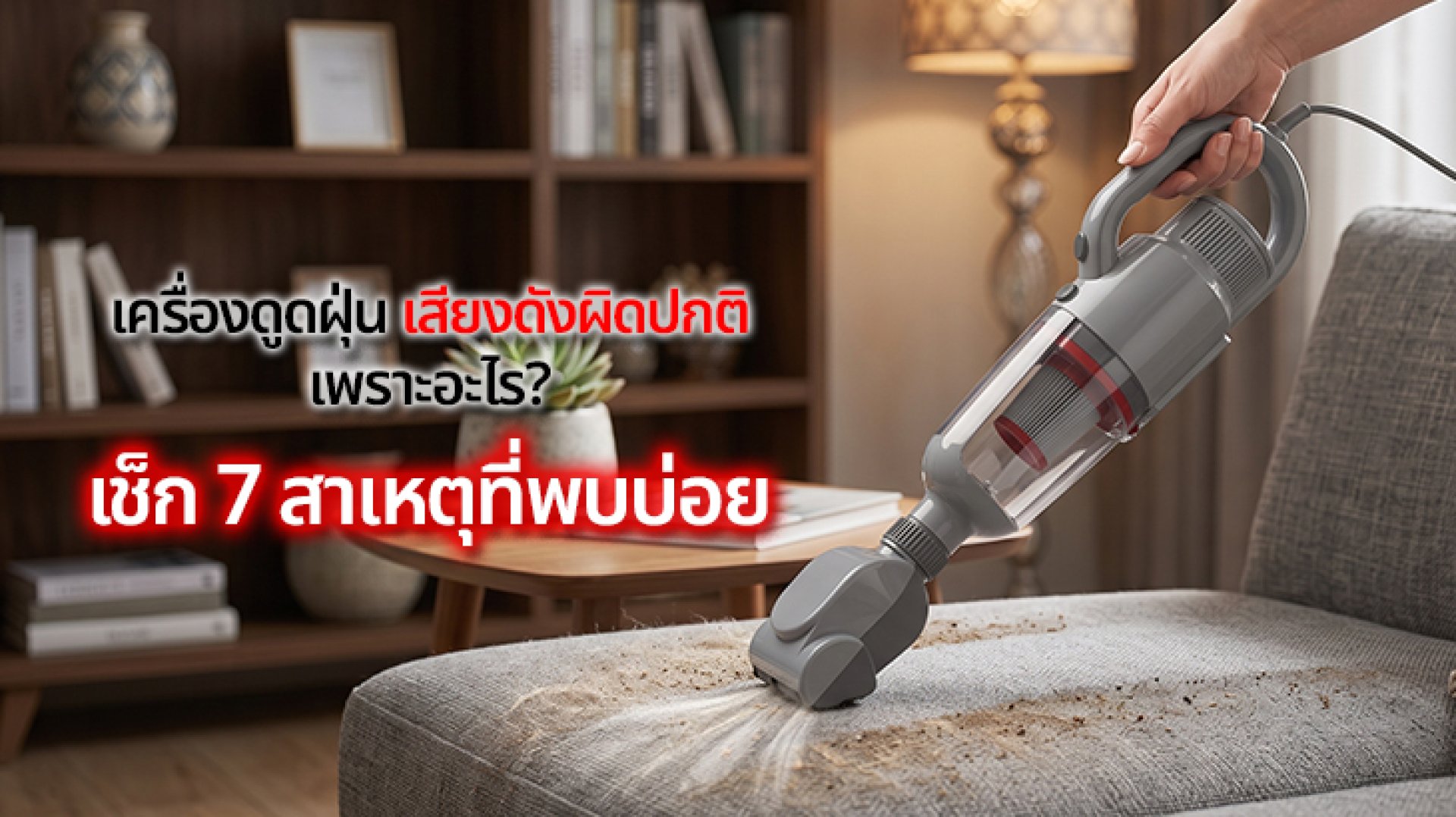
Have you ever turned on your vacuum cleaner and suddenly thought, Why does it sound so much louder than before?
A change in sound does not always mean that the motor is failing. In many cases, unusual noise can be caused by something relatively simple, such as a clogged filter, blocked airflow, hair wrapped around the brush roll, or an overfilled dust bin.
However, if the noise suddenly becomes much louder, changes into a rattling or buzzing sound, or comes together with weaker suction, it is worth checking the vacuum before continuing to use it.
What Does an Abnormal Vacuum Cleaner Noise Sound Like?
A normal vacuum cleaner usually produces a relatively consistent motor and airflow sound. If you notice a sudden change, pay attention to what the new sound is like.
- Louder than normal: The airflow may be restricted or the filter may be clogged.
- Rattling: There may be a loose object or obstruction inside the cleaner head or airflow path.
- Buzzing: The brush roll or another rotating component may be experiencing resistance.
- Pulsing or fluctuating sound: The airflow may be restricted by a blockage.
- Grinding or mechanical sound: A rotating component may be worn or damaged.
- Crackling or electrical-type noise: Stop using the vacuum and have it inspected.
Dyson's official troubleshooting guide also separates unusual vacuum noises into categories such as rattling, louder-than-usual, buzzing, and crackling, which can help narrow down the possible cause.
7 Common Causes of a Loud or Noisy Vacuum Cleaner
1. The Filter Is Dirty or Clogged
One of the first things to check is the vacuum cleaner's filter.
As dust accumulates on the filter, airflow can become restricted. The motor may then work harder to maintain airflow, which can change the sound of the vacuum and may also reduce cleaning performance.
Check the filter according to the manufacturer's instructions. Some filters can be washed, while others are designed to be cleaned or replaced in a specific way.
For example, Dyson recommends regular filter maintenance because accumulated debris can reduce performance and suction. Some Dyson cordless models recommend washing the filter at least once a month.
2. The Hose or Airflow Path Is Blocked
A partial blockage inside the hose, wand, inlet, or internal airflow path can make the vacuum noticeably louder.
Common causes include:
- Dust buildup
- Hair
- Paper or tissue
- Small pieces of plastic
- Large debris accidentally sucked into the vacuum
If airflow is restricted, the vacuum may also lose suction or produce a pulsing sound.
Check the hose, wand, inlet, and other accessible airflow passages according to the manufacturer's instructions. Dyson troubleshooting documentation specifically recommends checking these areas for blockages when suction or airflow performance changes.
3. Hair or String Is Wrapped Around the Brush Roll
If your vacuum has a rotating brush roll, hair and string can easily become wrapped around it.
When the brush roll cannot rotate freely, the motor driving it may experience additional resistance. This can result in unusual noise, reduced brush performance, or even automatic shutoff on some models.
This is especially common in homes with pets or people with long hair. Dyson also identifies hair and debris around the brush bar as a common reason for a brush bar becoming jammed.
Turn the vacuum off and disconnect it from power before checking or removing debris from the brush roll. Follow the manufacturer's instructions for removing the brush roll if necessary.
4. The Dust Bin Is Full
A full dust bin can affect airflow and overall vacuum performance.
Some cordless vacuum cleaners have a maximum-fill indicator. If dust reaches this level, empty the bin before continuing to clean.
For example, Dyson's support documentation recommends emptying certain models when the dust bin reaches the maximum fill line.
After emptying the bin, also check the bin inlet for debris that could be restricting airflow.
5. The Nozzle or Cleaner Head Is Blocked
Sometimes the problem is not inside the main vacuum body but in the cleaner head or nozzle.
A small object can become trapped in the opening and restrict airflow. Hair and debris can also become stuck around the rotating brush.
Some vacuum cleaners may produce a distinctive clicking or ratcheting noise when the brush roll encounters an obstruction. Dyson documentation describes this type of noise as a possible indication of an obstruction in the brush bar.
Turn the vacuum off and disconnect it from power before inspecting the cleaner head.
6. A Rotating Component May Be Worn
If the vacuum has been used for a long time and cleaning the filter, bin, hose, and brush roll does not solve the problem, the noise could come from a mechanical component.
Possible causes include:
- Worn brush-roll bearings
- A damaged brush roll
- A worn belt in models that use a belt-driven brush system
- A loose internal component
- Other rotating components experiencing excessive friction
A grinding or persistent mechanical noise is more concerning than a simple increase in airflow noise. If the sound continues after basic maintenance, professional inspection may be necessary.
7. The Motor or Electrical System May Have a Problem
If the vacuum produces a new electrical-type noise, crackling sound, burning smell, or excessive heat, stop using it rather than repeatedly testing the machine.
Motor or electrical problems generally require inspection by the manufacturer or an authorized service center. Avoid opening the motor housing yourself unless the manufacturer specifically provides instructions for that maintenance.
Vacuum Cleaner Is Loud but Still Has Strong Suction Is It Normal?
Not necessarily.
If the vacuum suddenly becomes louder but still appears to have strong suction, start with simple checks:
- Check the filter.
- Check the dust bin.
- Inspect the hose and wand.
- Check the nozzle or cleaner head.
- Look for hair or debris around the brush roll.
- Check whether the attachments are correctly fitted.
Dyson's troubleshooting process for unusual noise also recommends checking the filter and attachments as part of the diagnostic process.
Vacuum Cleaner Is Loud and Has Weak Suction
This combination provides a stronger clue that airflow may be restricted.
The first areas to inspect are:
- Filter
- Dust bin
- Bin inlet
- Hose
- Wand
- Nozzle
- Brush roll
A blocked filter or airflow path can affect both the sound of the vacuum and its cleaning performance. Manufacturer troubleshooting guides commonly recommend checking filters and airflow passages when suction decreases.
Why Should You Not Ignore an Unusual Vacuum Noise?
A small blockage may seem harmless, but continuing to use a vacuum with restricted airflow or a jammed rotating component can place additional stress on the machine.
Some vacuum cleaners are designed with automatic protection systems that can stop the machine when a blockage causes overheating or excessive resistance. Dyson documentation, for example, describes automatic cut-out systems on certain models when airflow becomes blocked.
If the vacuum suddenly becomes much louder, it is better to stop and inspect the basic components before continuing to use it.
How to Prevent Your Vacuum Cleaner From Becoming Noisy
Regular maintenance can reduce the chance of airflow and brush-roll problems.
- Clean the filter according to the manufacturer's recommended schedule.
- Empty the dust bin before it becomes excessively full.
- Remove hair and string from the brush roll regularly.
- Check the hose and wand for blockages.
- Keep the cleaner head free of accumulated debris.
- Make sure removable parts are securely fitted.
- Use the vacuum according to the manufacturer's instructions.
Filter maintenance is particularly important because fine dust can gradually accumulate and restrict airflow. Dyson, for example, recommends regular filter washing on compatible cordless models.
When Should You Take the Vacuum Cleaner to a Service Center?
Basic maintenance is usually the first step, but some symptoms should not be ignored.
Consider contacting the manufacturer or an authorized service center if:
- The unusual noise continues after cleaning the filter and removing blockages.
- The vacuum produces a grinding or persistent mechanical noise.
- The machine becomes unusually hot.
- You notice a burning smell.
- The vacuum repeatedly shuts off during use.
- The brush roll remains jammed despite removing visible debris.
- The machine makes an electrical or crackling sound.
If the problem appears to involve the motor or electrical system, professional inspection is safer than attempting to disassemble the main unit.
Summary: A Loud Vacuum Cleaner Does Not Always Mean a Broken Motor
If your vacuum cleaner is suddenly louder than normal, don't immediately assume that the motor is failing.
Start with the easiest checks: filter, dust bin, hose, airflow path, nozzle, and brush roll. These are common areas where dust, hair, and debris can accumulate and affect airflow or moving parts.
If the noise is accompanied by weak suction, overheating, burning smells, grinding sounds, or repeated shutdowns, stop using the machine and contact the manufacturer or an authorized service center.
FAQ: Vacuum Cleaner Making Unusual Noise
Why is my vacuum cleaner suddenly so loud?
A sudden increase in noise can be caused by a clogged filter, blocked airflow, full dust bin, blocked nozzle, or hair wrapped around the brush roll. If basic cleaning does not solve the problem, a mechanical or motor issue may need to be inspected.
Can a dirty filter make a vacuum louder?
Yes. A heavily contaminated filter can restrict airflow and affect vacuum performance. Check and clean or replace the filter according to the manufacturer's instructions.
Why does my vacuum make a rattling noise?
A rattling noise may indicate debris, an obstruction, or a loose component. Check the cleaner head, brush roll, hose, and other accessible areas before continuing to use the machine.
Why is my vacuum loud and losing suction?
The combination of increased noise and weaker suction can indicate restricted airflow. Check the filter, dust bin, hose, wand, nozzle, and brush roll for blockages.
Should I keep using a vacuum that makes a strange noise?
If the noise is new or unusually loud, stop the vacuum and perform basic checks first. If there is a burning smell, crackling sound, excessive heat, or persistent mechanical noise, stop using it and seek professional service.