Why Do In-Ear Earbuds Keep Falling Out? 7 Ways to Choose Ear Tips and Get a More Secure Fit
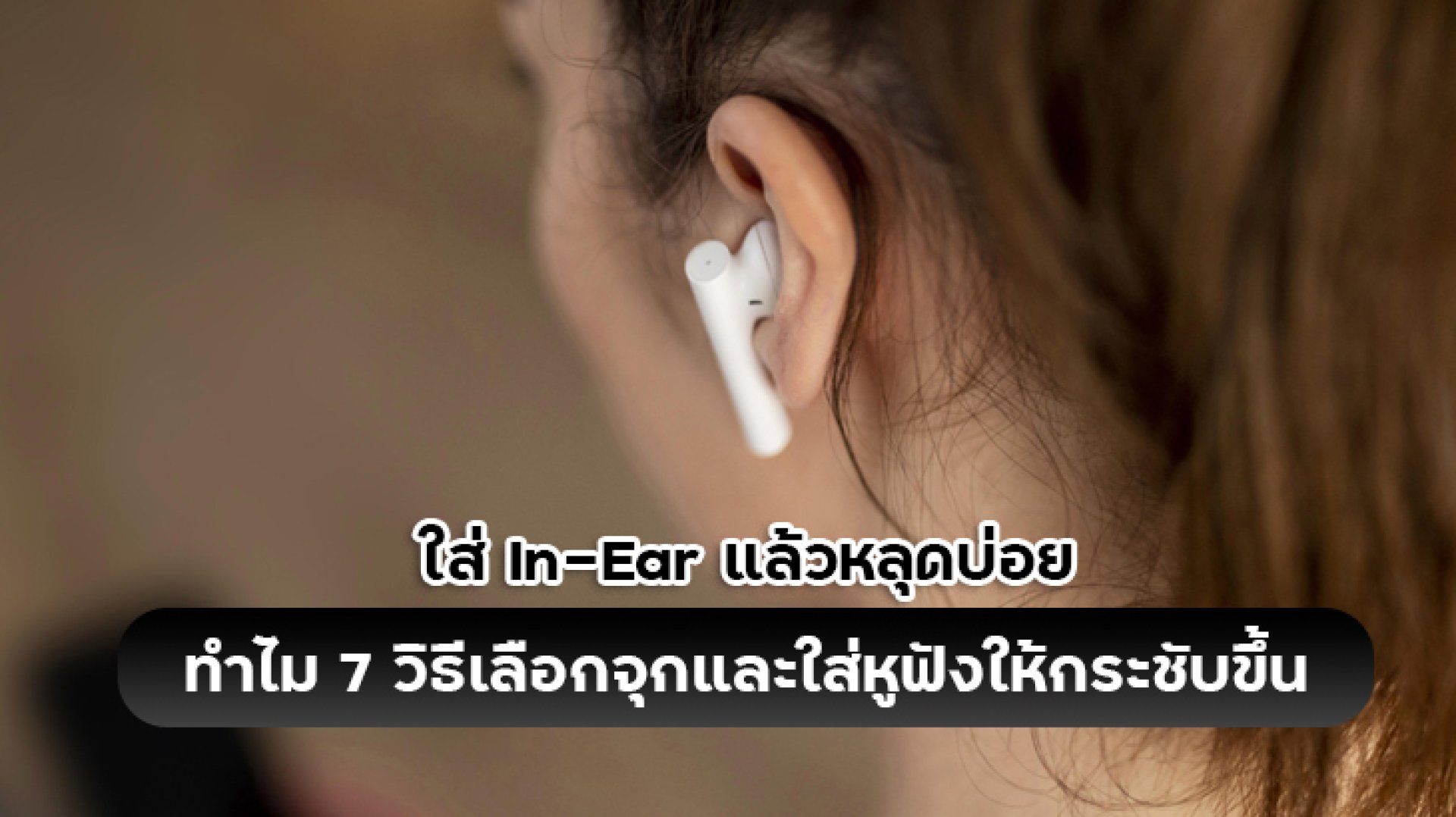
Do your in-ear earbuds keep falling out? This is a common problem, especially when walking, exercising, or moving your head frequently. Even when a pair of earbuds comes with multiple ear tip sizes, you may still find that they won't stay securely in place.
The problem isn't always the earbuds themselves. It can be caused by the ear tip size, ear tip shape, wearing technique, ear canal shape, moisture, or the weight and design of the earbuds. That's why choosing the largest ear tip isn't necessarily the best solution.
This guide explains 7 practical ways to choose ear tips and wear in-ear earbuds more securely, with simple methods you can try before deciding to replace your earbuds.
Why Do In-Ear Earbuds Keep Falling Out?
The main reason is that the earbuds fail to create a proper seal inside your ear canal. When the ear tip doesn't fit correctly, the earbuds can gradually move out of position as you walk or move.
Other factors can also affect stability, including earbud weight, sweat, movement, and the shape of the earbud housing.
- Ear tips are too small they may not create a proper seal, making the earbuds easier to dislodge.
- Ear tips are too large excessive pressure may push the earbuds outward and cause discomfort.
- Incorrect insertion the earbuds may not sit in their intended position.
- Sweat or moisture moisture can make the contact surface between the ear tip and skin more slippery.
- Heavy earbuds additional weight can create more movement when you walk or exercise.
- Different ear shapes every person's ears are different, so there is no universal ear tip size that works for everyone.
7 Ways to Make In-Ear Earbuds Fit More Securely
1. Don't Automatically Choose the Largest Ear Tip
A common assumption is that if your earbuds keep falling out, you should switch to a larger ear tip. However, this isn't always the solution. If the ear tip is too large for your ear canal, it can create excessive pressure and actually push the earbuds outward.
Instead, try Small (S), Medium (M), and Large (L) sizes and see which one creates a secure seal without feeling too tight or painful.
The right ear tip should feel secure, not excessively tight.
2. Try Different Ear Tip Sizes for Each Ear
Your left and right ears don't necessarily have the exact same size or shape. Therefore, you don't have to use the same ear tip size on both sides.
If one earbud falls out more frequently than the other, try changing only that side. For example:
- Left ear: Medium
- Right ear: Small
Using different sizes can sometimes create a better seal than forcing both ears to use the same size.
3. Insert the Earbuds at the Right Angle
Putting in in-ear earbuds isn't simply a matter of pushing them straight into your ears. Insert the ear tip gently, then slightly rotate the earbud until it feels properly positioned.
If the earbuds are designed to follow the natural shape of the outer ear, rotating them into the correct position can improve stability.
Important: Don't force the earbuds deeper into your ears just to make them feel tighter. A secure fit doesn't mean inserting the earbuds as deeply as possible.
4. If Your Earbuds Fall Out While Walking, Try a Different Ear Tip Material
If you've already tried several ear tip sizes but your earbuds still fall out, the problem may not be the size. The ear tip material could also make a difference.
In general, Silicone Ear Tips are flexible, durable, and easy to clean, while Foam Ear Tips can conform to the shape of the ear canal and create a secure seal for some users.
If Silicone Ear Tips don't provide enough stability, trying Foam Ear Tips may be worth considering.
However, Foam isn't automatically better for everyone. Comfort and stability depend heavily on the individual shape of your ears.
5. Check for Sweat and Moisture Before Wearing Your Earbuds
If your in-ear earbuds only start falling out when you exercise or spend time in hot weather, sweat may be one of the reasons. Moisture can make the surface between the ear tips and your skin more slippery.
Before wearing your earbuds, make sure your ears and ear tips are clean and dry. If you regularly use earbuds during workouts, clean the ear tips regularly as well.
This helps improve both fit and earbud hygiene.
6. For Exercise, Consider the Earbud Designnot Just the Ear Tips
Sometimes, changing the ear tip size won't solve the problem because the issue isn't the ear tip. It may be the shape, weight, or center of gravity of the earbuds.
If you plan to use earbuds while walking, running, or exercising, look for a design that provides good stability around the ear. Some models use an ergonomic shape or additional structures to help keep the earbuds in place.
For people who move frequently, choosing earbuds with a good overall fit from the beginning can be more important than simply changing the ear tips.
7. Test the Seal Before You Start Listening
After inserting your earbuds, perform a simple fit test to determine whether the ear tips are creating a suitable seal.
- Insert both earbuds and position them comfortably.
- Move your head or walk around for a few moments.
- Check whether the earbuds remain in the same position.
- Listen to bass-heavy audio and check whether the bass sounds full and consistent.
- Notice whether an unusual amount of outside noise enters your ears.
If the earbuds move immediately when you move your head, or the bass becomes noticeably weaker when you move, this may indicate that the ear tips are not creating a proper seal.
Which Ear Tips Should You Choose If You Want a More Secure Fit?
| Use Case | Recommended Option | Why |
|---|---|---|
| Everyday listening | Silicone | Easy to insert, easy to clean, and available in multiple sizes. |
| Travel | Silicone or Foam | Choose based on your preferred fit and level of noise isolation. |
| Noisy environments | Foam | Can provide a tighter seal for some users. |
| Exercise | Secure-fitting Silicone | Easy to maintain and practical when sweat is involved. |
| Long listening sessions | Depends on ear shape | Choose the material and size that doesn't create excessive pressure. |
What If Your Earbuds Still Fall Out After Changing the Ear Tips?
If you've tried different ear tip sizes, adjusted your insertion technique, and addressed moisture but your earbuds still fall out regularly, it may be time to look at the overall earbud design rather than the ear tips.
Different earbuds have different shapes, weights, and centers of gravity. Some are designed to sit more securely against the outer ear, while others prioritize a smaller and lighter form factor.
If you plan to use earbuds for commuting, work, walking, or exercise, consider fit and comfort alongside sound quality and features. Don't evaluate earbuds based only on specifications such as ANC, Bluetooth version, or driver size.
Conclusion: What Should You Check First If Your In-Ear Earbuds Keep Falling Out?
In-ear earbuds that keep falling out don't necessarily mean the earbuds are defective. The first things to check are the ear tip size and your wearing technique, because both have a direct impact on the seal and stability.
If the problem continues, try switching from Silicone Ear Tips to Foam Ear Tips or consider the overall shape and design of the earbuds, especially if you use them while walking or exercising.
The key idea is simple: a secure earbud fit doesn't mean the tightest possible fit. It means the earbuds stay in position without excessive pressure or constant adjustment.
Frequently Asked Questions (FAQ)
Why do my in-ear earbuds keep falling out?
Common causes include an incorrect ear tip size, improper insertion, sweat or moisture, or an earbud shape and weight that doesn't suit your ears.
Will larger ear tips stop my earbuds from falling out?
Not necessarily. Ear tips that are too large can create excessive pressure and push the earbuds outward. Choose a size that creates a secure seal without excessive pressure.
Why do my in-ear earbuds only fall out during exercise?
Sweat and moisture can make the ear tip surface more slippery. Frequent movement can also cause the earbuds to gradually shift from their original position.
Can Foam Ear Tips make in-ear earbuds more secure?
Foam Ear Tips can expand and conform to the shape of the ear canal, which may improve the seal and stability for some users. Results vary depending on individual ear shape.
Can I use different ear tip sizes in my left and right ears?
Yes. If the shape or size of your ear canals differs, using different ear tip sizes can help make both earbuds more secure and comfortable.
References