Open-Ear vs Bone Conduction: Which Is Better for Exercise in 2026?
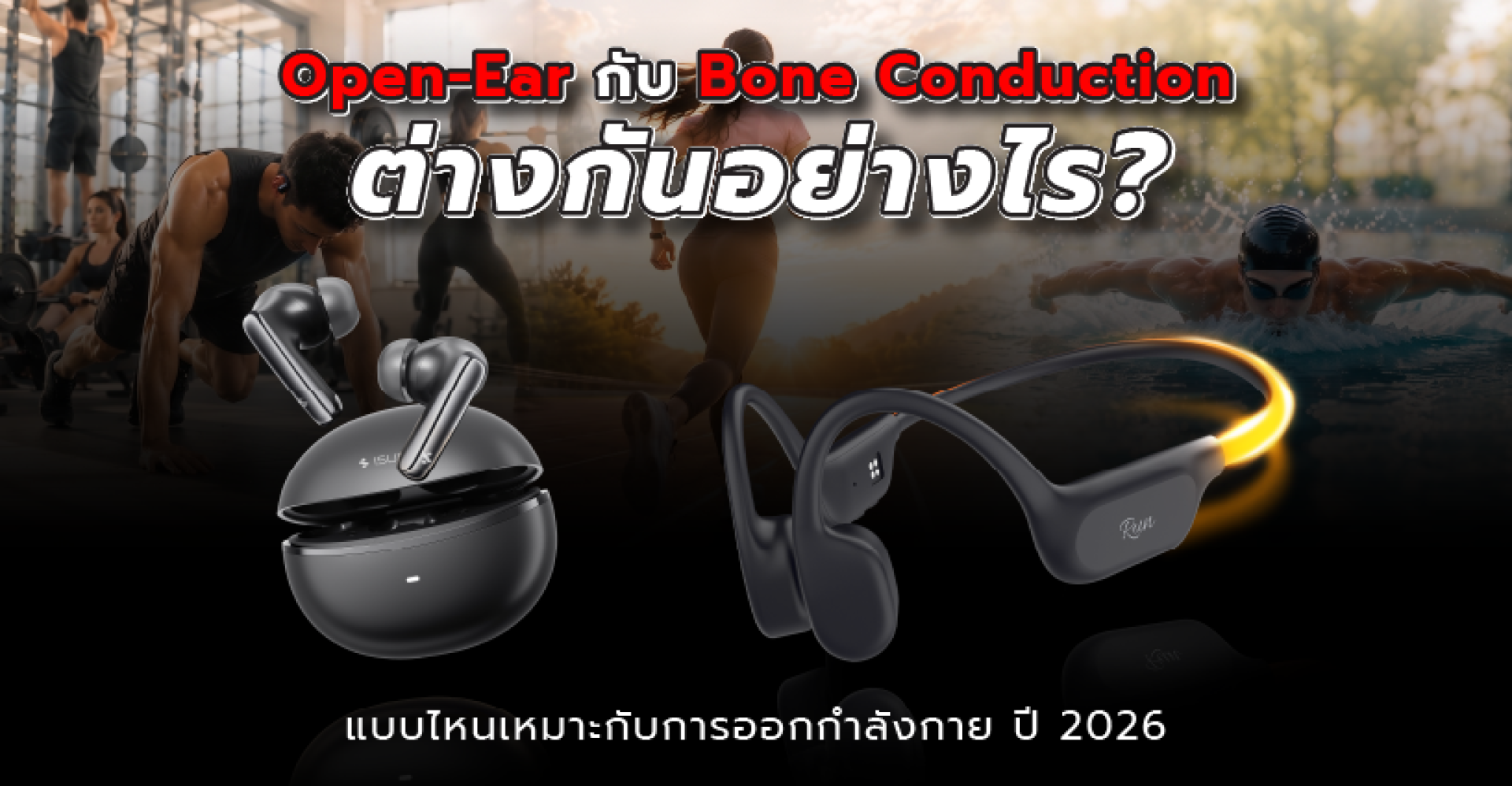
If you're looking for the best headphones for running, gym workouts, cycling, or swimming, you've probably come across two popular technologies: Open-Ear and Bone Conduction. While both are designed to let you stay aware of your surroundings, they work in completely different ways and offer different listening experiences.
If your priority is better sound quality, richer bass, and everyday versatility, Open-Ear headphones may be the better choice. On the other hand, if you frequently run outdoors, cycle on busy roads, or swim, Bone Conduction headphones provide excellent situational awareness and are often the preferred option for athletes.
In this guide, we'll compare Open-Ear and Bone Conduction headphones in detail, including how they work, sound quality, comfort, safety, and which type is best suited for different sports. By the end of this article, you'll know exactly which technology matches your lifestyle and workout routine.
Open-Ear vs Bone Conduction: Quick Comparison
| Feature | Open-Ear | Bone Conduction |
|---|---|---|
| How It Works | Directs sound toward your ears without blocking the ear canal | Transfers sound through vibrations on the cheekbones |
| Sound Quality | Excellent clarity with stronger bass | Clear vocals with lighter bass response |
| Environmental Awareness | Very Good | Excellent |
| Best For | Running, gym workouts, walking, daily use | Running, cycling, swimming, triathlon |
| Comfort | Comfortable for extended wear | Lightweight with gentle contact on the cheekbones |
In short, Open-Ear headphones are ideal for users who want excellent sound quality and an all-around listening experience, while Bone Conduction headphones are better suited for outdoor sports and activities where maximum awareness of surrounding sounds is important.
What Are Open-Ear Headphones?
Open-Ear headphones are designed to deliver sound toward your ears without sealing or blocking the ear canal. Unlike traditional in-ear earbuds, they rest just outside the ears, allowing you to enjoy your music while remaining aware of traffic, conversations, or other environmental sounds.
This design has become increasingly popular among runners, fitness enthusiasts, commuters, and office workers because it provides a more natural listening experience without the discomfort that some people experience with in-ear headphones.
Modern Open-Ear headphones have also improved significantly in sound performance. Thanks to larger dynamic drivers, advanced acoustic engineering, and sound leakage reduction technologies, they can produce surprisingly detailed audio with impressive bass while maintaining an open listening design.
Advantages of Open-Ear Headphones
- Comfortable for long listening sessions without ear fatigue.
- Better overall sound quality than most Bone Conduction headphones.
- Allows you to stay aware of your surroundings.
- Suitable for workouts, office use, online meetings, and entertainment.
- Ideal for users who want one pair of headphones for both fitness and everyday life.
Things to Consider
- Environmental awareness decreases if the volume is set too high.
- Bluetooth headphones are not suitable for underwater music playback.
What Are Bone Conduction Headphones?
Bone Conduction headphones use a completely different technology from conventional headphones. Instead of sending sound waves through the ear canal, they generate small vibrations that travel through the cheekbones directly to the inner ear.
Because the ear canal remains open, users can hear surrounding sounds naturally while listening to music. This makes Bone Conduction headphones especially popular among runners, cyclists, hikers, and outdoor athletes who need to stay alert to their environment.
Many Bone Conduction models also include built-in MP3 storage, allowing users to listen to music without carrying a smartphone. This feature is particularly useful for swimming because Bluetooth signals cannot travel reliably underwater.
Although Bone Conduction headphones generally don't produce bass as powerful as Open-Ear or traditional earbuds, they excel in safety, stability, and comfort during intense physical activities.
Open-Ear vs Bone Conduction: What's the Difference?
Although both Open-Ear and Bone Conduction headphones are designed to keep your ears open to surrounding sounds, they use completely different audio technologies. Understanding these differences can help you choose the right headphones for your workout routine instead of simply buying the latest model.
| Comparison | Open-Ear | Bone Conduction |
|---|---|---|
| Sound Delivery | Projects sound toward the ear canal | Transfers sound through cheekbone vibrations |
| Bass Performance | Stronger and deeper bass | Lighter bass with greater focus on vocals |
| Audio Detail | Excellent overall clarity | Clear speech and vocals |
| Situational Awareness | Very Good | Excellent |
| Daily Use | ||
| Running | ||
| Gym Workouts | ||
| Cycling | ||
| Swimming | Not Recommended | (Models with MP3 Storage) |
Neither technology is objectively better than the other. Instead, each one is optimized for different listening preferences and sports activities. Choosing the right type depends on how and where you exercise most often.
Which Offers Better Sound Quality?
If sound quality is your top priority, Open-Ear headphones generally provide a more immersive listening experience. Since they use traditional speaker drivers positioned close to the ears, they can reproduce deeper bass, richer mids, and more detailed highs than Bone Conduction headphones.
Many premium Open-Ear models also support advanced wireless audio technologies such as Hi-Res Audio Wireless and LHDC (Low Latency High-Definition Audio Codec), enabling higher bitrates and improved sound reproduction compared to standard Bluetooth codecs like AAC or SBC.
For users who enjoy listening to music during workouts, commuting, or relaxing, these technologies help preserve more of the original recording's detail while maintaining the comfort of an open-ear design.
Bone Conduction headphones, however, prioritize functionality over audio fidelity. Their vibration-based technology delivers clear vocals and spoken content but naturally produces less bass and a narrower soundstage than speaker-based headphones.
Choose Open-Ear If You Want:
- More powerful bass response.
- Greater musical detail.
- Support for high-resolution wireless audio.
- A headphone that performs well for both workouts and everyday entertainment.
Choose Bone Conduction If You Want:
- Maximum awareness of your surroundings.
- A safer listening experience outdoors.
- A stable fit during intense physical activities.
Which Is Safer for Outdoor Exercise?
One of the biggest reasons athletes switch from traditional in-ear earbuds to Open-Ear or Bone Conduction headphones is safety. Whether you're running on city streets, cycling on public roads, or walking in busy parks, hearing surrounding sounds can significantly improve your awareness of potential hazards.
Both headphone types allow environmental sounds to remain audible because they do not completely block the ear canal. This makes it easier to hear approaching vehicles, bicycle bells, emergency sirens, or conversations while still enjoying your music.
Bone Conduction headphones have a slight advantage in this area because the ear canal remains almost completely unobstructed. Even while listening to music, users often perceive surrounding sounds more naturally, making them especially popular among runners and cyclists.
Regardless of which headphone type you choose, avoid listening at maximum volume during outdoor activities. Keeping the volume at a moderate level allows you to enjoy your music while remaining aware of traffic and other environmental sounds.
Best Headphones for Different Types of Exercise
Instead of asking which technology is "better," a more practical question is: Which headphones are better for your favorite sport? Different activities have different requirements, and choosing the right design can improve both comfort and performance.
Best for Running
Both Open-Ear and Bone Conduction headphones are excellent choices for runners because they eliminate the discomfort of traditional in-ear earbuds while allowing environmental awareness.
If your runs are mostly on treadmills, parks, or quiet neighborhoods, Open-Ear headphones provide a more enjoyable music experience thanks to their superior sound quality.
However, if you frequently run on busy roads or participate in trail running events where awareness is critical, Bone Conduction headphones may offer a safer listening experience while maintaining a secure fit during movement.
️ Best for Gym Workouts
For indoor workouts, Open-Ear headphones often become the preferred option. Gym environments generally don't require the same level of environmental awareness as outdoor sports, allowing users to focus more on audio quality, comfort, and battery life.
The improved bass performance, wider soundstage, and support for premium Bluetooth audio codecs also make Open-Ear headphones an excellent choice for strength training, cardio sessions, and even post-workout entertainment.
Which Is Better for Cycling?
Cyclists need to remain constantly aware of their surroundings, especially when riding on public roads, bike lanes, or shared trails. Being able to hear approaching vehicles, warning signals, or other cyclists can significantly improve safety during every ride.
While both Open-Ear and Bone Conduction headphones allow ambient sounds to remain audible, Bone Conduction headphones are generally the better choice for cycling. Because they transmit sound through vibrations rather than directing audio toward the ear canal, your ears remain fully open to surrounding noise.
Many cyclists also appreciate the secure wrap-around design found on most Bone Conduction headphones, which helps keep them in place even during long-distance rides or rough terrain.
Which Is Better for Swimming?
If swimming is your primary activity, the answer is much more straightforward: Bone Conduction headphones with built-in MP3 storage are the best option.
Bluetooth technology does not transmit signals effectively underwater. Once your head is submerged, the connection between your smartphone and wireless headphones becomes unstable or may disconnect entirely.
For this reason, swimming headphones typically include internal storage that allows you to transfer music directly onto the device. You can then listen to your favorite playlists without carrying a phone or relying on a Bluetooth connection.
It's also important to choose headphones with an IP68 waterproof rating, which is specifically designed for extended water exposure. While IPX7 headphones can withstand rain, sweat, and temporary immersion, they are generally not intended for regular swimming sessions.
Even if a pair of swimming headphones carries an IP68 rating, many manufacturers recommend avoiding prolonged use in saltwater or seawater, as minerals and salt can gradually affect long-term durability.
Who Should Choose Open-Ear Headphones?
Open-Ear headphones are ideal for people who want one versatile pair of headphones for both everyday life and fitness. They combine excellent sound quality with all-day comfort while still allowing you to remain aware of your surroundings.
Open-Ear Headphones Are Best For:
- Running and jogging.
- Gym workouts and fitness training.
- Walking and outdoor exercise.
- Working from home or attending online meetings.
- Listening to music, podcasts, or watching videos.
- Users who prioritize sound quality without blocking their ears.
If you only plan to own one pair of headphones for multiple purposes, Open-Ear models often provide the best balance between entertainment, productivity, and sports performance.
Who Should Choose Bone Conduction Headphones?
Bone Conduction headphones are designed for users who prioritize safety, environmental awareness, and specialized sports activities. Although they typically produce less bass than Open-Ear headphones, they excel in situations where hearing surrounding sounds is essential.
Bone Conduction Headphones Are Best For:
- Outdoor running.
- Road cycling and mountain biking.
- Swimming and triathlon training.
- Long-distance endurance sports.
- Users who want built-in MP3 playback without carrying a smartphone.
For athletes who spend most of their training outdoors, Bone Conduction headphones provide an excellent combination of stability, comfort, and situational awareness.
Quick Comparison of Three iSUPER Sports Headphones
| Model | Headphone Type | Best For |
|---|---|---|
| iSUPER SOUNDActiv Free | Open-Ear | Daily use, gym, running, work, online meetings |
| iSUPER SoundActiv Run | Bone Conduction | Running, outdoor workouts, cycling |
| iSUPER SoundActiv Swim | Bone Conduction + 32GB MP3 + IP68 | Swimming, triathlon, water sports |
Each model is designed with a different type of athlete in mind. Rather than focusing only on specifications, consider your primary activity before making a purchase. The right headphone should complement your workout routine and provide the features you actually need.
Final Verdict: Open-Ear vs Bone Conduction
So, which one should you choose: Open-Ear or Bone Conduction? The answer depends entirely on how you plan to use your headphones. Both technologies are designed to keep your ears open to the world around you, but each excels in different situations.
If you want a pair of headphones that delivers better sound quality, stronger bass, and all-day comfort, Open-Ear headphones are the better choice. They're ideal for people who enjoy music, work remotely, attend online meetings, and exercise regularly without switching between multiple headphones.
On the other hand, if your priority is outdoor safety, long-distance running, cycling, or swimming, Bone Conduction headphones offer unique advantages. Their open listening design helps you stay aware of traffic, conversations, and warning sounds while remaining comfortable during intense activities.
Rather than asking which technology is better overall, the smarter question is: Which one fits your lifestyle? Choosing headphones that match your daily routine will provide a better experience than simply selecting the model with the most features.
Which iSUPER Sports Headphones Should You Buy?
Here's a quick buying guide based on your workout style.
| Your Activity | Recommended Model | Why It's a Great Choice |
|---|---|---|
| Daily Use, Music, Work & Gym | iSUPER SOUNDActiv Free | Open-Ear design with Hi-Res Audio Wireless, LHDC support, Bluetooth 5.4, and up to 40 hours of total battery life. |
| Running & Outdoor Exercise | iSUPER SoundActiv Run | Bone Conduction technology keeps you aware of your surroundings while providing a secure, comfortable fit. |
| Swimming & Triathlon | iSUPER SoundActiv Swim | IP68 waterproof protection with 32GB built-in storage for phone-free music playback underwater. |
By choosing the model that matches your favorite activities, you'll enjoy better comfort, improved performance, and a more enjoyable workout experience.
Frequently Asked Questions (FAQ)
Are Open-Ear headphones better than Bone Conduction?
Neither is universally better. Open-Ear headphones generally offer superior sound quality and richer bass, while Bone Conduction headphones excel in outdoor safety, environmental awareness, and water-friendly activities.
Which headphones are best for running?
Both Open-Ear and Bone Conduction headphones work well for running. Open-Ear models provide better music quality, whereas Bone Conduction headphones offer greater awareness of surrounding traffic and environmental sounds.
Why do swimmers use Bone Conduction headphones with MP3 storage?
Bluetooth signals do not travel effectively underwater. Headphones with built-in storage allow you to play music directly from the device without relying on a wireless connection.
Are Open-Ear headphones good for work and online meetings?
Yes. Open-Ear headphones are an excellent choice for remote work because they let you enjoy clear audio while remaining aware of conversations and sounds around you.
What's the difference between IPX7 and IP68?
IPX7 protects against sweat, rain, and temporary water immersion, while IP68 is designed for longer and deeper water exposure, making it a better choice for swimming headphones.
Conclusion
Both Open-Ear and Bone Conduction headphones offer significant advantages over traditional in-ear earbuds for sports and fitness. The right choice depends on your priorities.
If you value premium sound quality, everyday versatility, and long listening comfort, Open-Ear headphones are an excellent all-around solution. If your focus is running, cycling, swimming, or maximizing situational awareness, Bone Conduction headphones are the better investment.
Before making your decision, think about how you train most often rather than simply comparing technical specifications. Choosing headphones designed for your favorite activities will help you stay comfortable, motivated, and focused throughout every workout.