10 Things to Know Before Buying a Vacuum Cleaner (2026 Guide)
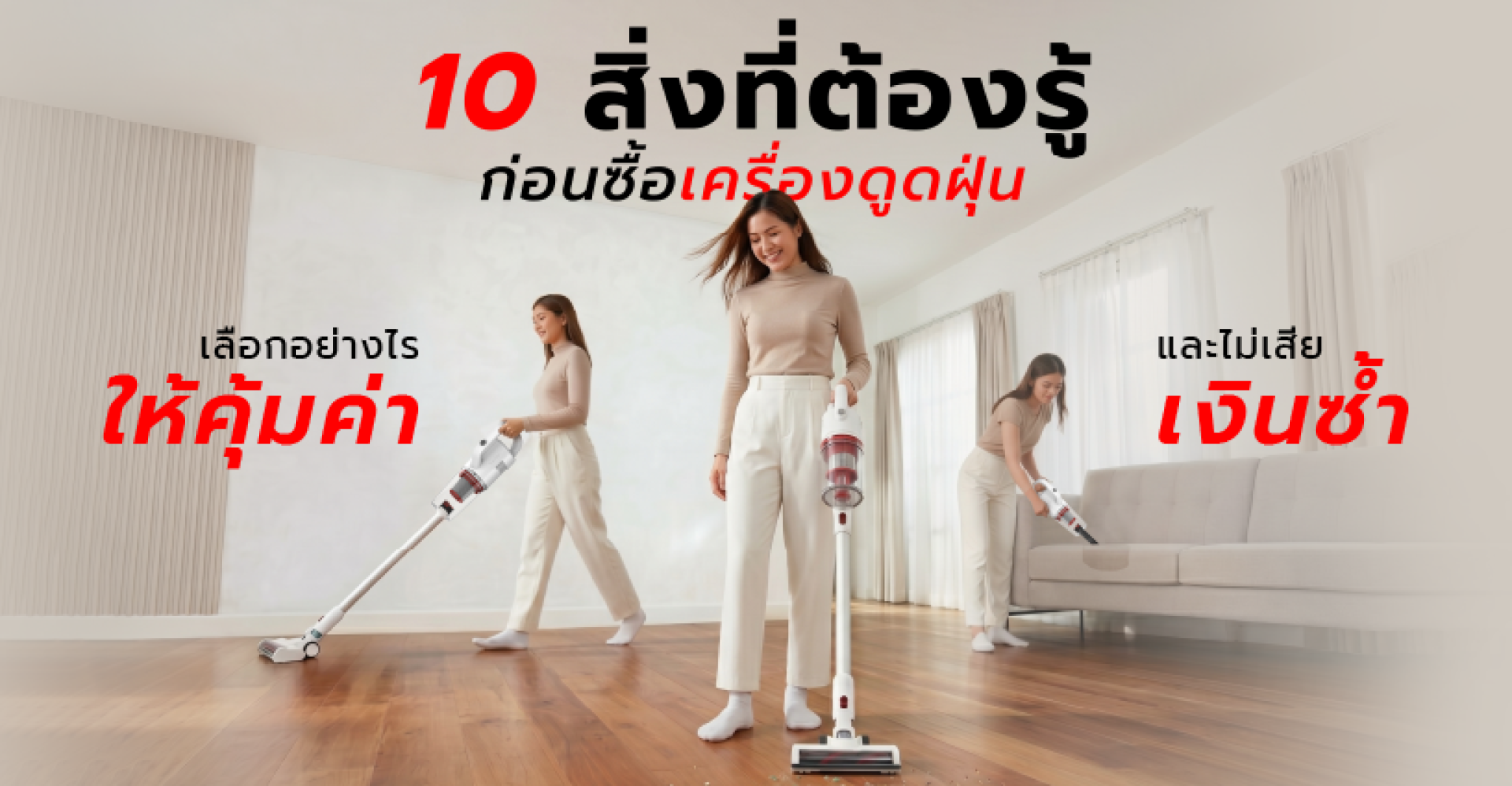
Buying a vacuum cleaner may seem straightforward, but with so many options availablesuch as cordless vacuums, corded models, robot vacuums, and machines equipped with HEPA filterschoosing the right one can be challenging. Selecting a model that doesn't match your home's size or cleaning needs may result in poor performance, unnecessary maintenance costs, or even replacing the vacuum sooner than expected.
In this guide, you'll learn 10 essential things to know before buying a vacuum cleaner. Whether you're purchasing your first vacuum or upgrading an older model, these tips will help you make a smarter decision and get the best value for your investment.
Why Choosing the Right Vacuum Cleaner Matters
Many people buy a vacuum cleaner based on price, discounts, or online reviews without considering whether it fits their lifestyle or home environment. However, a vacuum that works well in a small apartment may not be the best choice for a large house with multiple floors or pets.
Choosing the wrong vacuum can lead to several frustrations, such as weak suction, a battery that runs out before cleaning is finished, difficulty carrying the unit around the house, or missing attachments for furniture and tight spaces.
By taking the time to compare features and understand your cleaning needs, you can choose a vacuum cleaner that offers better performance, greater convenience, and long-term value.
1. Choose the Right Type of Vacuum Cleaner
The first and most important step is selecting the type of vacuum cleaner that best suits your home. Each category is designed for different cleaning situations, so understanding the differences will help you avoid spending money on features you don't actually need.
Cordless Vacuum Cleaner
Cordless vacuum cleaners have become one of the most popular choices thanks to their lightweight design and portability. They are ideal for apartments, condos, and medium-sized homes where quick daily cleaning is a priority.
Pros- Lightweight and easy to carry
- No power cord restrictions
- Convenient for everyday cleaning
- Easy to store
- Limited runtime depending on battery capacity
- Usually has a smaller dust bin than corded models
Corded Vacuum Cleaner
Corded vacuums are well suited for larger homes or users who require consistent suction power for extended cleaning sessions.
Pros- Continuous suction performance
- No need to recharge batteries
- Suitable for large cleaning areas
- Requires access to electrical outlets
- Less convenient to move between rooms
Robot Vacuum Cleaner
Robot vacuums are designed for convenience. They can automatically clean floors on a schedule and return to their charging dock when finished, making them an excellent option for maintaining daily cleanliness.
However, they are generally intended to complement rather than replace a traditional vacuum cleaner, especially for cleaning stairs, upholstery, mattresses, and hard-to-reach corners.
2. Don't Judge a Vacuum Cleaner by Wattage Alone
One of the most common misconceptions is that a higher wattage automatically means stronger suction. In reality, wattage only indicates how much electrical power the motor consumesit does not directly measure cleaning performance.
Instead, consider additional specifications such as:
- Suction Power
- Air Watts (AW)
- Suction Pressure (kPa)
- Brush Roll Design
- Airflow Efficiency
A well-designed vacuum with optimized airflow can often outperform a higher-wattage model that uses more electricity but has less efficient engineering.
If your home has carpets, pets, or heavy dust accumulation, prioritize a vacuum with strong suction performance and specialized brush heads designed to pick up hair and embedded dirt efficiently.
3. A Good Filtration System Improves Indoor Air Quality
While suction power is important, the filtration system plays an equally critical roleespecially for households with children, elderly family members, allergy sufferers, or pets.
A high-quality filtration system traps fine dust particles and allergens instead of releasing them back into the air during cleaning, helping maintain healthier indoor air quality.
Many modern vacuum cleaners feature HEPA filters, which are highly effective at capturing microscopic particles. When comparing models, also check whether the filters are washable or easy to replace, and whether replacement filters are readily available. This can significantly reduce long-term maintenance costs.
Quick Recap of the First Three Buying Tips
- Choose the vacuum type that matches your home and cleaning habits.
- Compare suction performance instead of focusing only on wattage.
- Select a vacuum with an efficient filtration system, especially if indoor air quality is a priority.
4. Consider the Weight and Maneuverability
Even the most powerful vacuum cleaner can become frustrating to use if it is too heavy or difficult to maneuver. Weight and ergonomics have a significant impact on your overall cleaning experience, especially if you need to clean multiple floors, stairs, or large areas regularly.
Before making a purchase, check the vacuum's overall weight and design. Features such as a comfortable handle, balanced weight distribution, and a flexible cleaning head can make everyday cleaning much easier.
If you're choosing a cordless vacuum cleaner, models weighing around 23 kg (4.46.6 lbs) are generally comfortable for most users. For larger corded vacuums, smooth-rolling wheels and a long power cord can improve mobility.
It's also worth considering how easily the vacuum can clean different areas, including:
- Under sofas and beds
- Stairs
- Tight corners
- Curtains and shelves
- Car interiors
Many cordless models can also convert into a handheld vacuum, making them even more versatile for cleaning furniture, upholstery, and vehicles.
5. Choose the Right Dust Bin Capacity
Dust bin capacity is often overlooked, but it directly affects cleaning efficiency. A small dust container may require frequent emptying, especially in larger homes or households with pets.
As a general guideline:
- Apartments and condos: 0.30.6 liters
- Medium-sized homes: 0.61 liter
- Large homes: More than 1 liter or a canister vacuum
If your household includes pets or several family members, a larger dust bin can reduce interruptions and allow you to clean more efficiently.
Another useful feature is a hygienic dust disposal system. Many modern vacuums allow you to empty the dust bin with a single button, minimizing contact with dust and reducing allergen exposure.
6. Check Battery Life and Runtime
For cordless vacuum cleaners, battery performance is one of the most important factors to consider. While manufacturers often advertise runtimes of up to 60 minutes, those figures are usually measured in Eco or Low Power mode.
When operating at maximum suction, actual runtime may decrease significantly, sometimes to only 1530 minutes depending on the model.
Before purchasing, compare the following:
- Maximum runtime per charge
- Charging time
- Whether the battery is removable
- Availability of replacement batteries
Recommended Battery Runtime
| Home Size | Recommended Runtime |
|---|---|
| Apartment or Condo | 2030 minutes |
| Medium-sized Home | 4050 minutes |
| Large Home | 60 minutes or longer |
If you have a large home or multiple floors, choosing a vacuum with a removable battery can be a major advantage. Swapping to a spare battery allows uninterrupted cleaning without waiting for the battery to recharge.
6.1 Don't Forget Battery Lifespan
Battery runtime is important, but long-term battery durability matters just as much. Most cordless vacuum cleaners use lithium-ion batteries, which provide reliable performance over hundreds of charging cycles.
Before buying, check whether replacement batteries are readily available. Being able to replace the battery instead of the entire vacuum cleaner can significantly reduce long-term ownership costs and extend the product's lifespan.
It's also a good idea to confirm that replacement batteries, filters, and other accessories are sold locally, making maintenance easier in the future.
If you plan to use your vacuum cleaner for many years, choose a model from a brand that offers reliable after-sales support, replacement batteries, filters, and spare parts. A slightly higher upfront investment can save money and reduce inconvenience over the long term.
Frequently Asked Questions (FAQ)
Is a cordless or corded vacuum cleaner better?
It depends on your cleaning needs. Cordless vacuum cleaners are lightweight, portable, and ideal for apartments or small to medium-sized homes. Corded vacuum cleaners, on the other hand, provide continuous suction power and are better suited for large homes or extended cleaning sessions.
Does higher wattage mean stronger suction?
Not necessarily. Wattage measures electrical power consumption rather than actual cleaning performance. When comparing vacuum cleaners, pay attention to suction power, Air Watts (AW), suction pressure (kPa), airflow efficiency, and brush head design instead of relying on wattage alone.
What type of vacuum cleaner is best for homes with pets?
If you have dogs or cats, choose a vacuum cleaner with strong suction, a pet hair attachment, or an anti-tangle brush roll. Models equipped with a HEPA filtration system are also recommended because they help capture pet dander, fine dust, and common allergens.
Is a HEPA filter really necessary?
A HEPA filter is highly recommended for households with allergy sufferers, children, elderly family members, or pets. It captures fine dust particles and allergens, helping improve indoor air quality and reducing the amount of dust released back into the air while vacuuming.
How often should I replace a vacuum cleaner filter?
The replacement interval depends on the type of filter and how often the vacuum is used. Washable filters should be cleaned regularly according to the manufacturer's instructions, while disposable filters should be replaced once they become worn or clogged to maintain optimal suction performance.
How long does a cordless vacuum cleaner typically last?
With proper maintenance, a quality cordless vacuum cleaner can last for many years. The battery and filters are usually the first components that require replacement. Choosing a model with easily replaceable batteries and readily available spare parts can significantly extend the vacuum's lifespan.
Final Thoughts
Buying a vacuum cleaner is an investment that can improve your home's cleanliness and indoor air quality for years. Instead of focusing solely on price, compare important factors such as vacuum type, suction performance, filtration system, battery life, accessories, noise level, warranty, and long-term maintenance costs.
Using the ten tips outlined in this guide as your buying checklist will help you compare different models with confidence, avoid common purchasing mistakes, and choose a vacuum cleaner that best fits your home, budget, and lifestyle.
Before making your final decision, compare product specifications, verified customer reviews, warranty coverage, and the availability of replacement parts. Choosing a reputable brand with reliable after-sales support can help you enjoy better performance and lower maintenance costs over the long term.