Pros and Cons: Is a Dash Cam with Phone Connection Worth It?
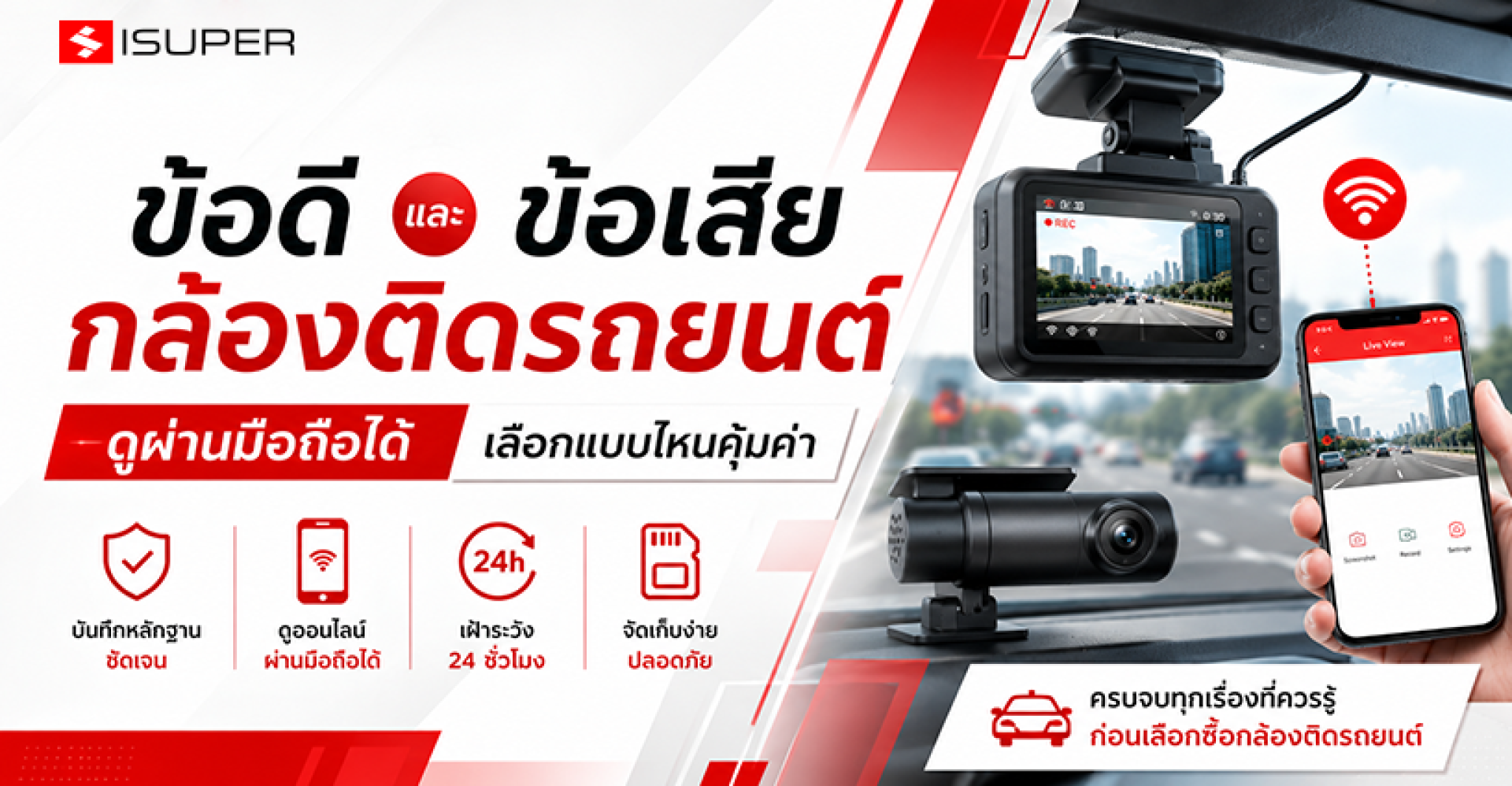
Pros and Cons of a Dash Cam with Phone Connection: Is It Worth the Investment?
In an era where smartphones streamline almost every aspect of daily life, automotive accessories have naturally followed suit. Dash cams with smartphone connectivity have transitioned from a luxury feature to a modern standard. By utilizing built-in Wi-Fi and dedicated mobile applications, these devices allow drivers to manage video files, view real-time footage, and adjust settings directly from their phones.
However, for car owners evaluating whether to upgrade or purchase their first smart dash cam, several key questions arise: What are the actual benefits and drawbacks? Is smartphone connectivity truly necessary? and Which specifications deliver the highest return on investment? This comprehensive analysis breaks down everything you need to know to make an informed purchasing decision.
The Benefits: Why Choose a Dash Cam with Phone Connection?
1. Instant File Transfer During Accidents
The primary advantage of smartphone-connected dash cams is the speed of file retrieval during emergency situations. Instead of removing the MicroSD card and searching for a card reader or laptop on the side of the road, you can wirelessly transfer incident footage directly to your smartphone within seconds. This allows for immediate sharing with insurance agents or law enforcement officials on the scene.
2. Effortless Camera Setup and Configuration
Navigating settings on a compact 2-inch screen using tiny physical buttons can be frustrating. Dedicated mobile applications provide a clean, intuitive interface on your smartphone's larger screen, making it simple to adjust video resolution, update date/time stamps, configure G-sensor sensitivity, or format the memory card.
3. Real-Time Viewfinder for Precise Mounting
Connecting the camera to your phone via Live View ensures precise camera positioning during initial installation. You can instantly review the lens angle on your phone screen to confirm that the blind spots are eliminated and the full width of the road is clearly captured.
4. Sleek, Discreeter Camera Designs
Because video playback and system settings are handled through your smartphone, manufacturers can design screenless or ultra-compact dash cams. These minimalist designs hide seamlessly behind the rearview mirror, preserving your driving field of view without unnecessary distractions.
The Drawbacks and Limitations to Consider
1. Limited Wi-Fi Connection Range
Most smartphone-connected dash cams utilize local Wi-Fi Direct rather than cellular networks. This means the connection only operates when your smartphone is within close physical proximity to the vehicle (typically within 5 to 10 meters). Remote cloud monitoring from long distances requires dedicated 4G/LTE modules with separate SIM cards and monthly subscriptions.
2. Slower Transfer Speeds for Large 4K Files (on 2.4GHz Bands)
High-resolution video filessuch as 2K or 4K footagecontain massive amounts of data. Dash cams relying solely on older 2.4GHz Wi-Fi bands can take a long time to download a single 3-minute video clip. To avoid frustrating download speeds, choosing a dash cam that supports 5GHz Wi-Fi is critical.
Comparison: Traditional Dash Cams vs. Smart Wi-Fi Dash Cams
The table below summarizes the practical operational differences between traditional memory-card-based cameras and modern Wi-Fi-enabled models:
| Feature / Scenario | Traditional Dash Cams | Wi-Fi & Phone-Connected Dash Cams |
|---|---|---|
| Footage Retrieval | Requires removing the MicroSD card and using a PC or adapter. | Direct wireless download to your smartphone via mobile app. |
| Emergency Sharing | Delayed until compatible hardware is found to view files. | Immediate transfer to insurance agents, police, or messaging apps. |
| Settings Management | Managed via small camera buttons and tiny built-in screens. | Managed conveniently via intuitive smartphone app interfaces. |
| Installation Alignment | Manual trial and error using small on-device screen. | Live-streamed preview on phone screen for accurate positioning. |
| Physical Footprint | Often bulkier to accommodate larger displays. | Compact, screenless, or sleek form factors that hide behind mirrors. |
Why 5GHz Wi-Fi Capabilities Matter
When selecting a smart dash cam, checking the supported Wi-Fi frequency band is essential. Standard 2.4GHz signals suffer from lower bandwidth and frequent signal interference. In contrast, 5GHz Wi-Fi offers significantly higher data throughput and reduced signal noise, enabling rapid transfer of high-definition 4K clips without buffering or connection drops.
Essential Buyer Checklist for Smart Dash Cams
To ensure long-term reliability and satisfaction, evaluate the following hardware specifications before making a purchase:
- High-Grade Image Sensors: Look for proven image sensors like the Sony IMX Series to guarantee night-vision clarity and legible license plate capture.
- Supercapacitor Power Supply: Avoid built-in lithium batteries in tropical climates. Supercapacitors handle high cabin temperatures safely without risks of swelling or overheating failures.
- Dual-Band Wi-Fi (2.4GHz & 5GHz): Ensures broad smartphone compatibility while offering ultra-fast file transfer options.
- Advanced Driver Assistance (ADAS) & GPS: Built-in GPS logs precise speed and location metadata directly onto the video proof.
Recommended Smart Choice: iSuper Dash Cam Pro 2
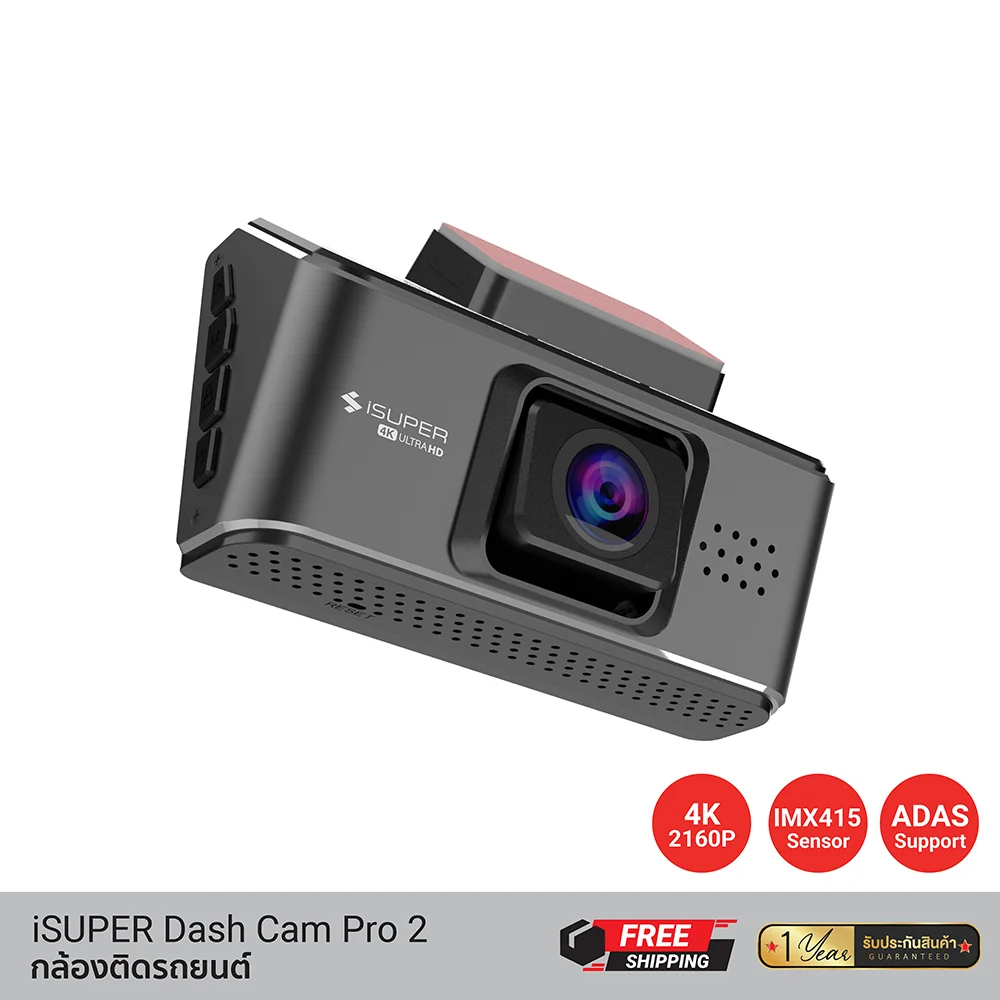
For drivers seeking a feature-packed smart dash cam delivering premium hardware at an accessible price point, the iSuper Dash Cam Pro 2 represents an outstanding overall value.
Key Specifications:
- Ultra HD 4K Resolution: Powered by the premium Sony IMX415 sensor for crisp video recording even in extreme low-light environments.
- Dual-Band Wi-Fi (2.4GHz & 5GHz): Seamless file management and fast downloading via the dedicated iSuper Cam app.
- Heat-Resistant Supercapacitor: Designed for extreme thermal endurance and long-term operating durability.
- Integrated ADAS & GPS: Provides real-time lane drift and collision alerts alongside exact location metadata tagging.
Conclusion
While smartphone-connected dash cams carry slight distance constraints due to Wi-Fi Direct technology, their immense convenience, operational speed, and ease of file access during emergencies far outweigh those limitations. Investing in a dual-band 5GHz model equipped with a high-end sensor ensures your vehicle remains well-protected with clear, instantly accessible evidence whenever you need it.
Explore the full range of smart automotive cameras and find the ideal model for your vehicle by visiting the Official iSuper Dash Cam Category.
References & Outlinks
- Sony IMX415 Sensor Specifications (4K Resolution): Technical documentation and performance details of the 8.4 MP image sensor from Sony Semiconductor Solutions.
- 5GHz Wi-Fi Performance in Automotive Dash Cams: Detailed breakdown of 5GHz bandwidth benefits for high-resolution video transfer from Rexing Dash Cam Guide: Why 5.0 GHz Dash Cam Wi-Fi is A Desired Premium.
- Supercapacitor Heat Endurance vs. Lithium-Ion Batteries: Environmental test results for automotive electronics operating above 70°C by Redtiger Tech: Supercapacitor vs. Lithium-Ion Battery in High Heat.
- iSuper Dash Cam Pro 2 Specifications: Hardware features and app integration specifications hosted on Thaisuperphone Product Center.