How to Clean a Mattress Properly: Remove Dust Mites, Stains & Odors at Home

A clean mattress is essential for a healthier and more comfortable night's sleep. While most people regularly wash their bed sheets, many forget that the mattress itself also collects dust, dead skin cells, sweat, allergens, and even dust mites over time. Since we spend roughly one-third of our lives sleeping, keeping your mattress clean should be part of your regular home cleaning routine.
Even if your mattress looks clean on the surface, hidden contaminants can accumulate deep inside the fabric and padding. These particles may contribute to unpleasant odors, trigger allergy symptoms, reduce sleep quality, and shorten the lifespan of your mattress.
This is especially important for households with children, pets, allergy sufferers, or anyone with asthma. Regular mattress cleaning helps reduce allergens, improves bedroom hygiene, and creates a healthier sleeping environment.
In this guide, you'll learn how to clean a mattress properly, remove dust mites, eliminate stains and odors, choose the right cleaning equipment, and keep your mattress fresh for years to comeall without hiring professional cleaning services.
Why Should You Clean Your Mattress Regularly?
Your mattress may appear clean, but beneath the surface it can become home to millions of microscopic particles. Every night your body naturally releases sweat, body oils, and dead skin cells, creating an ideal environment for dust mites and bacteria to thrive.
Regular mattress cleaning doesn't just improve cleanlinessit also promotes better sleep, reduces allergens, and helps protect your investment by extending the life of your mattress.
1. Reduce Dust Mites and Allergens
Dust mites are microscopic organisms that feed primarily on dead skin cells. Although they don't bite humans, their waste particles are one of the most common indoor allergy triggers.
Removing dust mites regularly can help reduce symptoms such as:
- Sneezing after waking up
- Runny or blocked nose
- Itchy eyes
- Coughing
- Asthma flare-ups in sensitive individuals
2. Improve Indoor Air Quality
Dust trapped inside mattresses doesn't stay there forever. Every time you sit or lie down, tiny particles become airborne and circulate throughout your bedroom. Keeping your mattress clean helps reduce indoor dust levels and contributes to healthier air quality.
3. Prevent Odors and Moisture Build-Up
The average person releases a significant amount of moisture while sleeping each night. Over time, sweat combined with humidity can create unpleasant odors and encourage mold or mildew growth if the mattress isn't properly maintained.
4. Extend the Life of Your Mattress
Dirt, body oils, and accumulated debris gradually break down mattress materials. Regular maintenance helps preserve the fabric, foam, and support layers, allowing your mattress to remain comfortable for longer.
Cleaning Tip
Changing your bed sheets every week is important, but it doesn't remove the dust, allergens, and debris trapped inside the mattress itself. Vacuuming and deep cleaning the mattress regularly provides a much more hygienic sleeping environment.
Signs Your Mattress Needs Cleaning
You don't have to wait until your mattress looks dirty before cleaning it. In many cases, hidden allergens build up long before visible stains appear.
If you notice any of the following signs, it's probably time to clean your mattress:
- You wake up sneezing almost every morning.
- Your nose feels stuffy after sleeping.
- Your mattress has developed an unpleasant odor.
- Yellow sweat stains are becoming visible.
- You notice dust accumulating around mattress seams.
- Your allergies seem worse while you're in bed.
- You haven't cleaned your mattress in more than six months.
Ignoring these signs allows dust, allergens, bacteria, and moisture to continue accumulating, making future cleaning much more difficult.
How Often Should You Clean Your Mattress?
The ideal cleaning schedule depends on your lifestyle, bedroom environment, and whether you have children, pets, or allergy sufferers in your home.
| Cleaning Task | Recommended Frequency |
|---|---|
| Wash bed sheets | Every 12 weeks |
| Vacuum the mattress | Once a week |
| Remove dust mites | 12 times per month |
| Spot clean stains | Immediately after spills |
| Deep clean the mattress | Every 6 months or as needed |
If you live in a humid climate or an area with high levels of dust, increasing the frequency of mattress cleaning can help prevent mold, odors, and allergen build-up.
Recommended for Allergy Sufferers
If someone in your household suffers from allergies or asthma, vacuuming the mattress at least once a week and washing bedding regularly can significantly reduce exposure to common indoor allergens and improve sleep quality.
What You'll Need Before Cleaning Your Mattress
Preparing the right cleaning tools before you start will make the entire process easier and more effective. Depending on the condition of your mattress, you may not need every item listed below, but having the essentials ready helps achieve the best results.
- Vacuum cleaner with upholstery attachment
- Soft microfiber cloth
- Soft-bristle brush
- Mild fabric-safe cleaning solution
- Baking soda (optional for odor control)
- Clean towels
- Spray bottle with clean water
For routine maintenance, a high-performance vacuum cleaner designed for household cleaning can remove dust, loose debris, and surface contaminants from mattresses, upholstery, sofas, carpets, and other fabric surfaces quickly and efficiently.
How to Remove Different Types of Mattress Stains
Not all mattress stains are the same. Sweat, coffee, food, pet accidents, and other spills each require slightly different cleaning methods. The key to successful stain removal is acting quickly and avoiding excessive moisture that can soak into the mattress.
In general, always blot spills immediately, use gentle cleaning solutions suitable for fabric, and allow the mattress to dry completely before making the bed again.
Removing Sweat Stains and Yellow Discoloration
Sweat stains are among the most common types of mattress stains. Over time, perspiration, body oils, and natural skin oils can leave yellow marks on the mattress surface while also contributing to unpleasant odors.
For fresh or light stains:
- Blot the area with a clean microfiber cloth.
- Use a mild fabric-safe cleaner following the manufacturer's instructions.
- Gently wipe the affected area without scrubbing aggressively.
- Allow the mattress to air dry completely.
Regular vacuuming and routine mattress maintenance can also help minimize the buildup of body oils that eventually lead to discoloration.
Removing Coffee, Tea, and Beverage Stains
Colored beverages can quickly penetrate mattress fabric if left unattended. The faster you respond, the easier the stain will be to remove.
- Immediately blot the spill with a dry towel.
- Avoid rubbing the liquid deeper into the fabric.
- Clean the affected area using a suitable upholstery cleaning solution.
- Remove any remaining residue with a slightly damp cloth.
Always work from the outside of the stain toward the center to prevent spreading.
Removing Food Stains
If food spills onto your mattress, first remove any solid residue before treating the stain.
After removing crumbs or food particles:
- Blot excess moisture if necessary.
- Clean only the stained area.
- Avoid soaking the mattress.
- Allow sufficient drying time before replacing bedding.
Prompt cleaning helps prevent bacteria growth and lingering odors.
Cleaning Urine Stains from Children or Pets
Urine stains should always be cleaned as soon as possible. Delayed cleaning allows moisture to penetrate deep into the mattress, making odor removal significantly more difficult.
Recommended cleaning steps include:
- Blot as much liquid as possible using clean towels.
- Clean the affected area with a fabric-safe cleaner.
- Allow the mattress to dry thoroughly.
- Repeat the process if necessary until no odor remains.
Recommended Equipment: iSUPER Vacuum Cleaner 3 IN 1 PRO
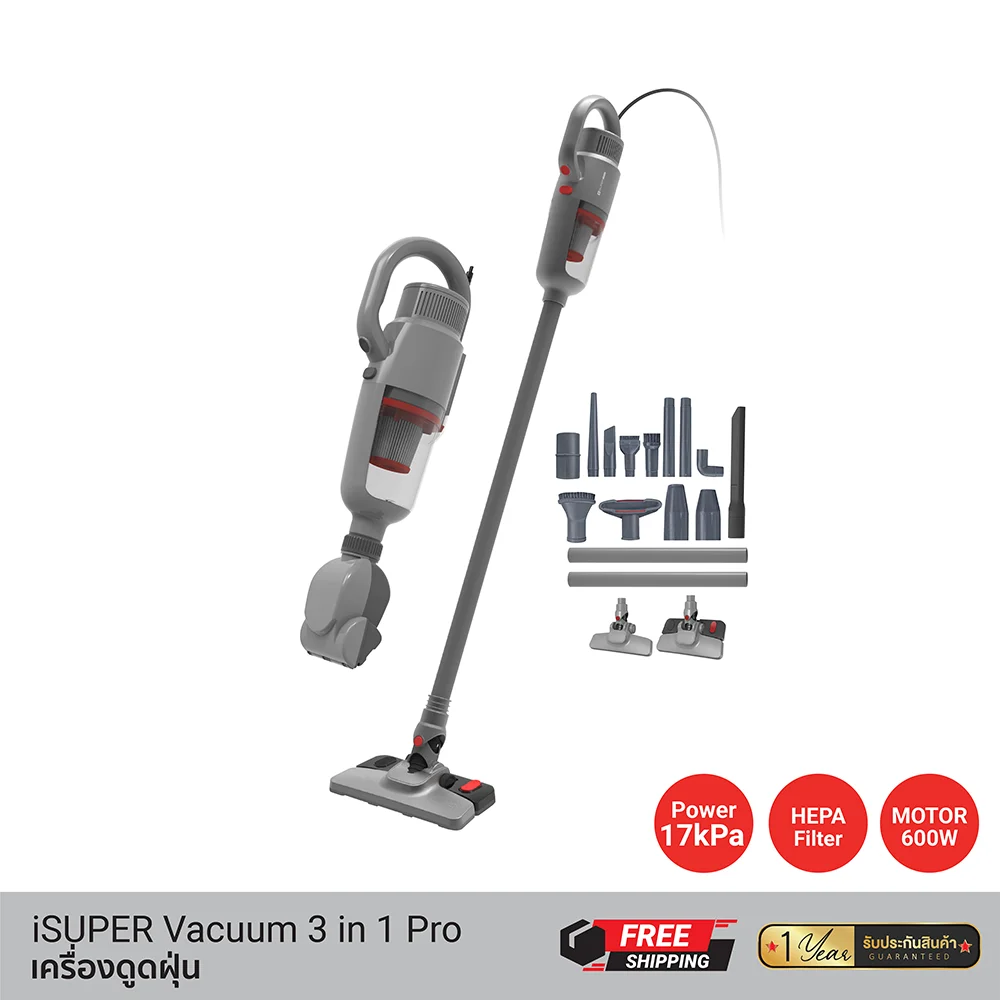
For regular household maintenance, the iSUPER Vacuum Cleaner 3 IN 1 PRO provides strong suction for removing dust, loose debris, pet hair, and surface contaminants from mattresses, upholstered furniture, sofas, carpets, curtains, and many other household surfaces. Frequent vacuuming helps reduce dirt buildup before stains become more difficult to manage.
How to Reduce Dust Mites in Your Mattress
Dust mites are one of the leading causes of indoor allergies worldwide. Although they are invisible to the naked eye, their waste particles can trigger allergic reactions, asthma symptoms, and respiratory irritation.
Because mattresses provide warmth, humidity, and a continuous food source from dead skin cells, they become one of the favorite habitats for dust mites.
Where Do Dust Mites Commonly Live?
- Mattresses
- Pillows
- Blankets
- Fabric sofas
- Carpets and rugs
- Stuffed toys
How to Reduce Dust Mite Buildup
Although completely eliminating dust mites is nearly impossible, regular cleaning can dramatically reduce their population.
Best practices include:
- Vacuum the mattress every week.
- Wash bedding regularly.
- Keep bedroom humidity under control.
- Allow fresh air to circulate whenever possible.
- Use a mattress protector to reduce contamination.
- Clean pillows and upholstered furniture regularly.
Recommended for Allergy Sufferers
If you or someone in your household has allergies, asthma, or sensitive skin, incorporating regular mattress cleaning into your weekly routine can help reduce exposure to common indoor allergens and improve overall sleep quality.
Recommended Equipment: iSuper Anti Mites Vacuum Cleaner H1 Max
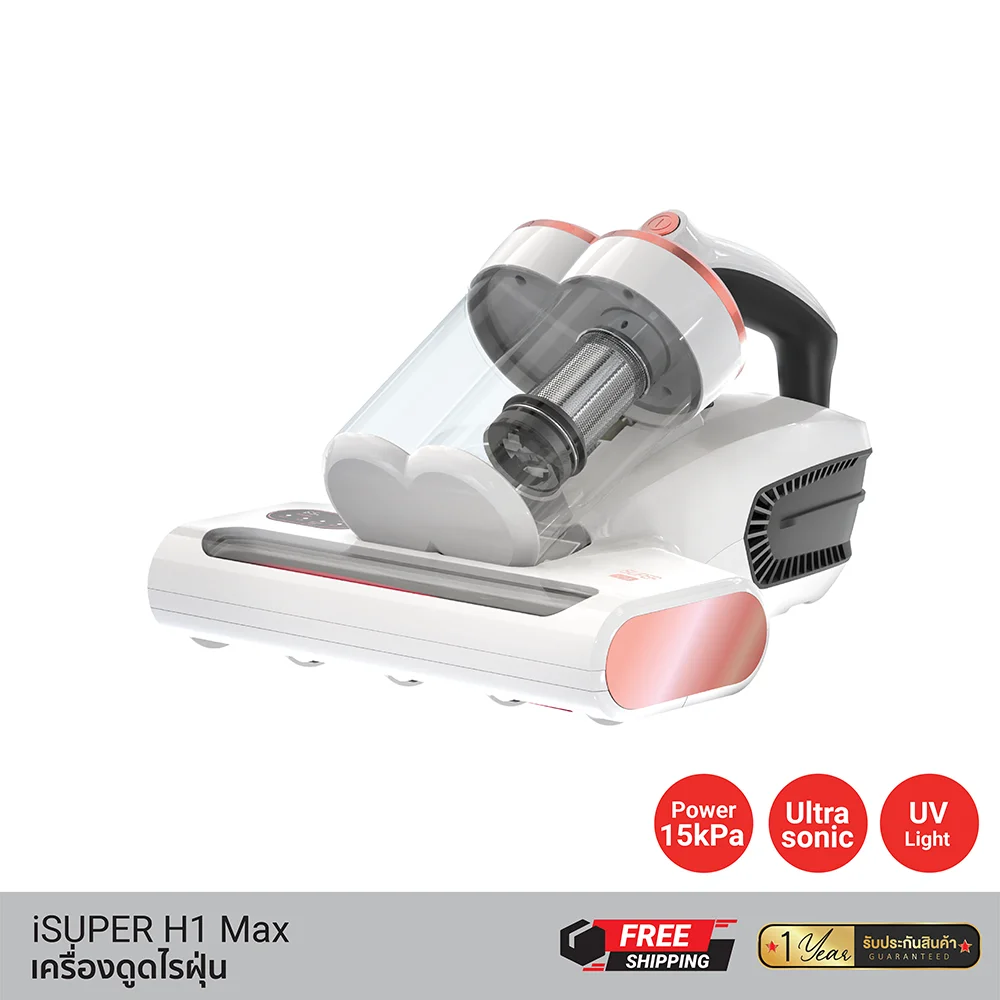
The iSuper Anti Mites Vacuum Cleaner H1 Max is specifically designed for cleaning mattresses, pillows, sofas, blankets, and other upholstered furniture. Its combination of high-frequency vibration, powerful suction, UV sterilization, and hot air circulation helps remove dust mites, allergens, and fine particles more effectively than ordinary household vacuum cleaners.
How to Remove Mattress Odors
Odors usually develop because of accumulated moisture, sweat, body oils, or inadequate ventilation. Simply spraying air freshener may temporarily mask unpleasant smells, but it does not remove the underlying cause.
Improve Air Circulation
Open windows whenever weather conditions allow. Fresh airflow helps remove trapped moisture and keeps your bedroom environment healthier.
Use Baking Soda
Lightly sprinkle baking soda across the mattress surface and allow it to sit for approximately 30 to 60 minutes before vacuuming. Baking soda naturally absorbs odors without damaging most mattress fabrics.
Allow the Mattress to Dry Completely
Never replace bedding while the mattress is still damp. Residual moisture encourages mold growth and creates ideal conditions for unpleasant odors to return.
Maintain Overall Bedroom Cleanliness
Keeping floors, curtains, upholstered furniture, and bedding clean reduces the amount of dust circulating throughout the room, helping your mattress stay cleaner for longer.
How to Clean Different Types of Mattresses
Different mattress materials require different cleaning methods. Following the manufacturer's care instructions helps prevent accidental damage while maintaining optimal performance.
Latex Mattresses
- Avoid soaking the mattress with water.
- Spot clean using a damp cloth.
- Air dry in a shaded, well-ventilated area.
- Avoid prolonged exposure to direct sunlight.
Memory Foam Mattresses
- Use minimal moisture during cleaning.
- Remove stains immediately.
- Vacuum regularly.
- Ensure complete drying before use.
Innerspring Mattresses
- Vacuum seams and edges regularly.
- Spot clean stains promptly.
- Rotate the mattress according to the manufacturer's recommendations if applicable.
Foam Mattresses
- Avoid excessive water.
- Use gentle cleaning products suitable for upholstery.
- Allow the mattress to dry thoroughly after cleaning.
Important Reminder
Always check your mattress manufacturer's care instructions before using any cleaning solution. Different mattress materials may have specific recommendations regarding moisture, cleaning agents, and maintenance procedures.
Choosing the Right Cleaning Equipment for Your Mattress
Choosing the right cleaning equipment can make mattress maintenance easier, faster, and more effective. Different cleaning problems require different solutions. A vacuum cleaner designed for general household cleaning may work well for removing surface dust, while specialized equipment can provide better results for allergens, pet hair, and deep fabric cleaning.
Understanding the purpose of each tool helps you avoid unnecessary purchases and choose equipment that matches your actual cleaning needs.
| Cleaning Problem | Recommended Method | Suitable Equipment |
|---|---|---|
| Dust, hair, and surface debris | Regular vacuum cleaning | iSUPER Vacuum Cleaner 3 IN 1 PRO |
| Dust mites and allergens | Specialized mattress cleaning | Anti-Mite Vacuum Cleaner |
| Pet hair and fabric debris | Frequent upholstery cleaning | Powerful vacuum cleaner with suitable attachments |
| Unpleasant odors and humidity | Improve ventilation and reduce moisture | Fan, air purifier, or dehumidifier |
For most households, having a versatile vacuum cleaner provides the best balance between convenience and everyday cleaning performance. A good vacuum can be used not only on mattresses but also on sofas, carpets, curtains, floors, and other areas where dust accumulates.
Recommended Equipment: iSUPER Vacuum Cleaner 3 IN 1 PRO
The iSUPER Vacuum Cleaner 3 IN 1 PRO is designed for versatile home cleaning. It helps remove dust, pet hair, crumbs, and fine particles from different surfaces, including mattresses, sofas, carpets, and hard floors.
Using a powerful vacuum cleaner regularly can prevent dust and debris from accumulating deep inside fabric surfaces, making your mattress easier to maintain and helping create a cleaner bedroom environment.
Common Mistakes When Cleaning a Mattress
Many people accidentally damage their mattresses because they use incorrect cleaning methods. While the intention is to make the mattress cleaner, certain habits can actually create more problems.
1. Using Too Much Water
One of the most common mistakes is soaking the mattress during cleaning. Unlike removable fabric covers, mattresses are difficult to dry completely once moisture penetrates inside.
Excess moisture can lead to:
- Musty odors
- Mold growth
- Reduced mattress lifespan
- Uncomfortable sleeping conditions
2. Scrubbing Stains Too Aggressively
Strong scrubbing can damage mattress fabric and spread stains deeper into the material. Gentle blotting is usually safer and more effective.
3. Using Strong Chemicals Without Testing
Some cleaning products may discolor fabric or damage certain mattress materials. Always test a small hidden area before applying any new product across the mattress surface.
4. Covering the Mattress Before It Is Dry
Putting sheets back on a damp mattress traps moisture inside and increases the risk of odors and mold. Always ensure the mattress is completely dry before use.
Mattress Cleaning Checklist
Use this simple checklist after cleaning your mattress to make sure every important step has been completed.
- Removed bedding and washed sheets
- Vacuumed the entire mattress surface
- Cleaned seams and corners
- Treated visible stains
- Removed odors and moisture
- Allowed the mattress to dry completely
- Added clean bedding after drying
- Scheduled regular maintenance cleaning
Quick Mattress Cleaning Routine
- Remove all bedding.
- Vacuum the mattress thoroughly.
- Treat stains carefully.
- Reduce odors with proper ventilation.
- Allow complete drying.
- Protect the mattress with a clean cover.
Frequently Asked Questions (FAQ)
How often should you clean a mattress?
You should vacuum your mattress approximately once a week and perform deeper cleaning every six months. Homes with pets, children, high humidity, or allergy sufferers may require more frequent cleaning.
Can a regular vacuum cleaner clean a mattress?
Yes. A regular vacuum cleaner can remove surface dust, hair, and debris from mattresses. However, for people concerned about dust mites and allergens, using equipment designed for fabric surfaces can provide more effective cleaning.
How do you remove bad odors from a mattress?
Improve ventilation, reduce moisture, use baking soda to absorb odors, and vacuum the mattress regularly. Persistent odors may indicate deeper contamination that requires more thorough cleaning.
Can you wash a mattress with water?
Most mattresses should not be soaked with large amounts of water. Excess moisture can damage internal materials and create conditions for mold growth. Always follow the manufacturer's cleaning recommendations.
What is the best way to reduce dust mites in a mattress?
Regular vacuuming, washing bedding, controlling humidity, and using appropriate cleaning equipment can help reduce dust mite populations and minimize allergen buildup.
Is the iSUPER Vacuum Cleaner 3 IN 1 PRO suitable for mattress cleaning?
Yes. The iSUPER Vacuum Cleaner 3 IN 1 PRO can be used for regular mattress maintenance by removing dust, hair, and debris from fabric surfaces. It is also suitable for cleaning sofas, carpets, curtains, and other areas around the home.
Final Thoughts: Keep Your Mattress Clean for Better Sleep
A clean mattress is more than just a matter of appearance. It plays an important role in maintaining a healthier bedroom environment, reducing dust accumulation, controlling odors, and improving overall sleep comfort.
The most effective approach is not waiting until your mattress looks dirty. Regular maintenancesuch as vacuuming, cleaning stains quickly, controlling humidity, and using suitable cleaning equipmenthelps prevent bigger problems in the future.
For everyday mattress care, a versatile vacuum cleaner like the iSUPER Vacuum Cleaner 3 IN 1 PRO can make routine cleaning easier by removing dust, hair, and debris from mattresses and other household surfaces.
By following the right cleaning steps and maintaining good bedroom hygiene, you can keep your mattress fresher, cleaner, and more comfortable for many years.
Create a Cleaner and Healthier Bedroom Today
Whether you want to remove dust, reduce allergens, or maintain your mattress regularly, choosing the right cleaning method and equipment can make the process much easier. Explore iSUPER cleaning solutions to find the right tools for keeping your home fresh and comfortable.